24hr Vet Near Me for Exotic Emergencies: What to Expect
24hr Vet Near Me for Exotic Emergencies: What to Expect
When your exotic companion suddenly shows signs of illness or distress, panic can set in fast. Whether you share your home with a colorful macaw, a curious ferret, a regal iguana, or a tiny hedgehog, you know these unique animals require special care—especially in emergencies. Finding a trustworthy 24hr vet near me who understands the needs of exotic pets is crucial when every minute counts. At St. Charles Veterinary Hospital, conveniently located at 2360 North Blvd West, Davenport, FL 33837, our team provides urgent, expert care for birds, reptiles, small mammals, and other exotic species. Walk-ins are always welcome, day or night, and no appointment is needed for emergencies. In this blog, you’ll learn how our veterinary team responds to exotic pet crises, what you should bring, what to expect during your visit, and how we’re here for your unique animal companion—whenever you need us.
Recognizing an Exotic Emergency: When to Seek Immediate Help
Exotic pets often hide signs of illness until a problem becomes severe, making it essential for owners to recognize subtle changes that could signal a true emergency. Key symptoms that may indicate a critical issue in birds include difficulty breathing, fluffed-up feathers combined with lethargy, bleeding that doesn’t stop, a sudden inability to perch, or seizures. For reptiles, warning signs involve open-mouth breathing, a gaping mouth, severe swelling, a lack of movement, or sudden color changes. Small mammals such as rabbits, ferrets, and guinea pigs may show emergencies through loss of appetite, labored breathing, severe diarrhea, visible wounds, or sudden collapse.
It’s common for exotic animals to mask pain or distress as a survival instinct, so even subtle shifts in behavior—like hiding more than usual, vocalizing differently, or refusing food—should not be ignored. If you notice any of these symptoms in your exotic pet, immediate evaluation by a veterinary professional is recommended. At St. Charles Veterinary Hospital, our emergency team is trained to recognize the unique presentations of illness in exotic species, ensuring rapid assessment and intervention.
Why Exotic Emergencies Happen: Understanding the Risks
Exotic pets are often more sensitive to environmental changes and underlying medical conditions than dogs or cats. Birds can become critically ill due to drafts, overheating, toxic fumes from household products, or accidental ingestion of foreign objects. Reptiles are especially vulnerable to improper temperature, humidity, or lighting in their enclosures; deficiencies in these areas frequently result in metabolic bone disease, respiratory infections, or sudden collapse. Small mammals may experience emergencies from dental problems, gastrointestinal stasis, heat stroke, or trauma from other animals in the household.
In Davenport and surrounding communities, local climate factors such as sudden temperature spikes or drops can affect exotic pets housed indoors and outdoors. Additionally, stress from recent moves, new pets, or environmental changes can trigger health crises in many species. Understanding these risk factors can help you act quickly if your exotic companion ever shows signs of trouble.
What Happens During an Emergency Exotic Vet Visit
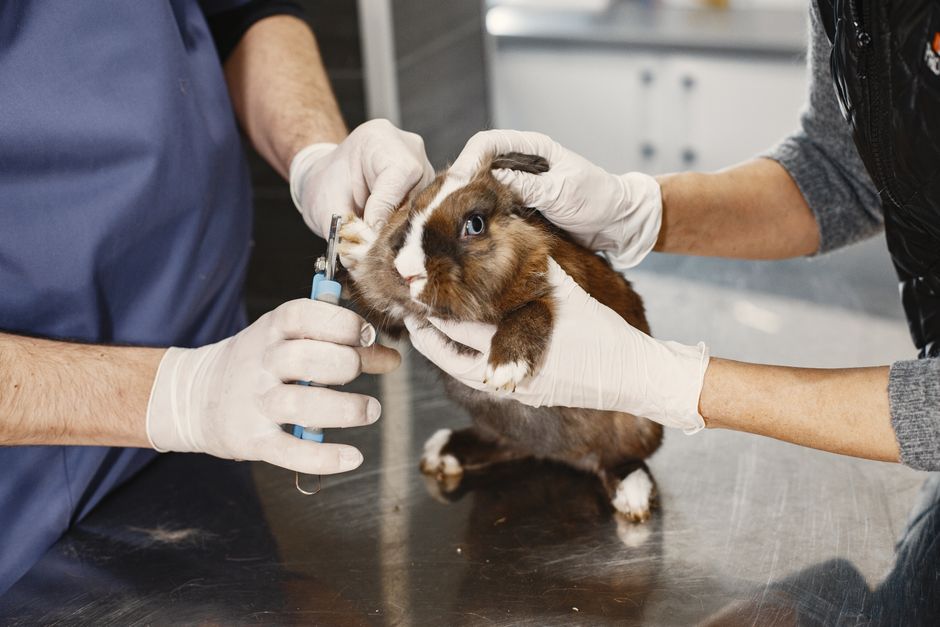
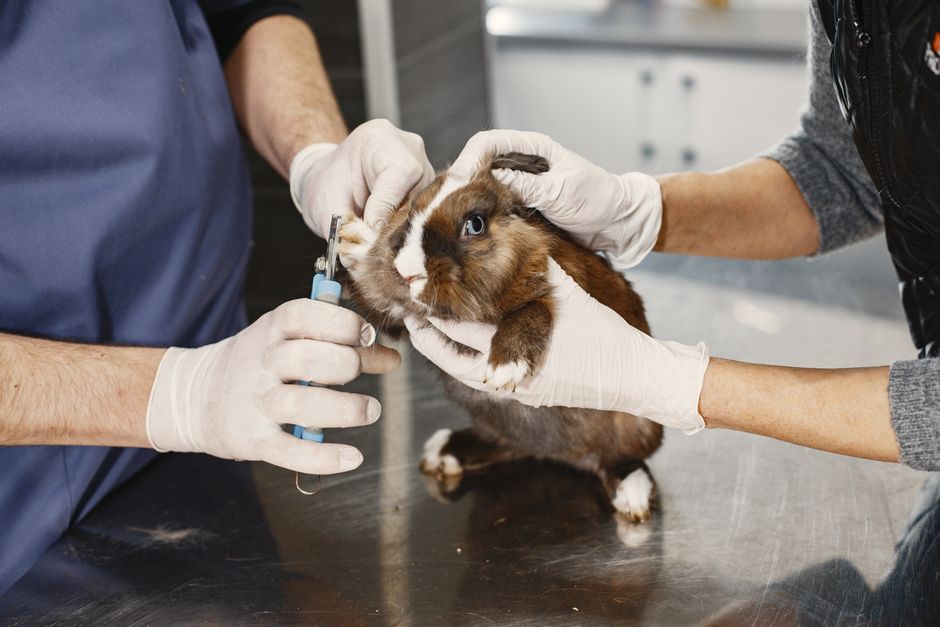
Arriving at a 24hr vet near me like St. Charles Veterinary Hospital with an exotic emergency means your animal will be triaged as soon as possible. Our team of veterinarians is skilled in handling birds, reptiles, and small mammals with gentle, species-appropriate techniques. When you arrive, a veterinary professional will assess your pet’s condition and prioritize care based on the severity of symptoms.
For birds in respiratory distress, oxygen support and stabilization are often started immediately. Reptiles with severe lethargy or swelling may require rapid diagnostics such as bloodwork or imaging to identify underlying causes. Small mammals in shock or pain are offered pain relief and fluid therapy as quickly as possible. The veterinary team will ask about your animal’s history, recent behavior, enclosure conditions, and any possible exposures to toxins or trauma. Bringing any medications, recent medical records, and a sample of your pet’s usual food or bedding can help with diagnosis and treatment.
Specialized equipment and knowledge are required for exotic emergencies. Our team uses safe restraint methods, tailored anesthesia protocols, and advanced diagnostics for non-traditional pets. You can expect clear communication about your animal’s condition, recommended treatments, and prognosis throughout the process. For more details on our approach, visit our emergency veterinary care page.
How We Treat Exotic Pet Emergencies
Treatment for exotic pet emergencies is highly individualized, depending on the species and specific condition. Birds suffering from trauma may need wound repair, supportive fluids, and antibiotics. Respiratory distress in reptiles is managed with temperature and humidity correction, oxygen, and sometimes antibiotics or antifungals. Small mammals with gastrointestinal stasis may receive pain management, assisted feeding, and medication to restore gut motility.
Our veterinary team includes professionals with a special interest in avian and exotic animal medicine. We use minimally invasive diagnostics, advanced imaging, and species-specific medications whenever possible. Surgical intervention is available for cases such as egg binding in birds, removal of foreign objects in reptiles, or emergency dental procedures in rabbits and guinea pigs. Throughout every emergency, compassionate care and stress minimization are priorities. You can learn more about our team’s background and experience with exotics by visiting the meet the team page.
At-Home Steps Until You Reach the Vet
When you suspect your exotic pet is experiencing an emergency, quick action at home can make a difference. If your bird is having trouble breathing, keep the environment calm, warm, and free of drafts, and transport them in a secure, covered carrier. For reptiles, ensure their enclosure remains at optimal temperature and humidity, and place them gently in a well-ventilated travel box lined with familiar substrate. Small mammals should be kept quiet, warm, and offered water if they are able to drink; avoid force-feeding or administering medications without veterinary guidance.
Do not attempt to treat wounds, set broken bones, or administer over-the-counter medications, as these can cause more harm than good in exotic species. Remove any sources of toxins, separate your pet from other animals, and transport them safely to the clinic. Our team is always available to provide advice by phone if you are unsure how to stabilize your pet before arrival.
When Should You Head to the 24hr Vet Near Me?
If you are ever in doubt about your exotic animal’s health, it is better to err on the side of caution. Emergencies such as labored breathing, collapse, persistent bleeding, seizures, inability to move, or dramatic behavioral changes require immediate veterinary attention. Even if your regular veterinarian is unavailable, our doors are open 24/7 for exotic emergencies.
Walk-ins are always welcome, and no appointment is ever needed when your bird, reptile, or small mammal needs urgent care. Our emergency veterinary care services are designed to be accessible any time of day or night, including weekends and holidays, serving Davenport and surrounding communities. For rare or particularly complex cases, our team is also experienced in collaborating with regional specialists or wildlife rehabilitators—see our wildlife rehabilitation page for additional information about our capabilities.
Supporting Exotic Pet Owners: Our Commitment
Caring for an exotic animal comes with unique joys and responsibilities. As a dedicated exotic animal owner, you know how important it is to have a veterinary partner who truly understands the special needs of your companion. Our team at St. Charles Veterinary Hospital is committed to providing expert, compassionate emergency care for every species we serve. We prioritize clear communication, gentle handling, and medical excellence in every urgent situation.
If you ever find yourself searching for a 24hr vet near me for your exotic companion, remember that we are here to help—no matter the time or day. Our veterinary team is always available to answer questions, offer guidance, and provide immediate care when emergencies happen.
Take Action: Your Exotic Pet’s Emergency Lifeline in Davenport
Exotic pet emergencies can be scary and unpredictable, but you are never alone. If you notice worrying symptoms in your bird, reptile, or small mammal, do not wait to seek help. Walk-ins are always welcome at St. Charles Veterinary Hospital, and our doors are open whenever your regular veterinarian is unavailable. For trusted, experienced care from a team that understands exotic species, call us at (863) 438-6600 or come directly to 2360 North Blvd West, Davenport, FL 33837. When you need an emergency vet near me for your exotic pet, our team is your local resource for prompt, knowledgeable treatment—any time, day or night. Visit our emergency veterinary care page for more information, or meet the veterinary professionals who make our hospital a trusted choice for exotic animal emergencies in Davenport and surrounding communities.
If your exotic companion is experiencing an emergency, seek veterinary attention immediately. This blog is for informational purposes and should not replace professional medical advice specific to your animal’s needs.