Cold Weather Hazards: Emergency Pet Risks in November
Cold Weather Hazards: Emergency Pet Risks in November
As November arrives in Davenport, Florida, most pet owners might feel relieved that the harshest winter conditions remain far to the north. Yet, even in our region's mild climate, sudden cold snaps, seasonal toxins, and holiday activities can present serious emergency risks for dogs and cats. At St. Charles Veterinary Hospital, conveniently located at 2360 North Blvd West, Davenport, FL 33837, our veterinary team is here 24/7 to help when unexpected pet emergencies arise. Whether you are preparing for sudden temperature drops, navigating holiday gatherings, or cleaning up after seasonal yardwork, it is important to be aware of the unique cold-weather hazards that can send pets to urgent care. In this blog, we will explore the most common November dangers for dogs and cats in Davenport and surrounding communities, highlight warning signs to watch for, and explain how you can protect your pet—and when it is time to seek immediate help. Remember, at St. Charles Veterinary Hospital, walk-ins are always welcome and no appointment is needed for emergency care.
Recognizing Cold Weather Risks: How to Spot Trouble in Your Pet
Even as the Florida sun lingers, November can bring unpredictable weather shifts. Cold snaps, unfamiliar holiday foods, and seasonal toxins like antifreeze create a mix of hazards for pets. It is crucial to recognize the early signs that your dog or cat may be in distress. Symptoms of cold-related illness include shivering, lethargy, weakness, and a reluctance to move. For toxin ingestion, you may notice drooling, vomiting, loss of coordination, or sudden changes in behavior. Around holiday gatherings, pets might exhibit choking, difficulty breathing, or abdominal pain after swallowing unsafe foods or decorations. If you see any of these warning signs, your pet may require urgent medical attention.
What Pet Owners Should Watch For
Pay close attention to changes such as limping, trembling, or sudden withdrawal from usual activities, which can indicate discomfort from cold exposure. Pets exposed to antifreeze or rodenticides may seem unsteady, disoriented, or unusually quiet. During family get-togethers, keep an eye out for gagging, pawing at the mouth, or repeated attempts to vomit—these could point to a life-threatening blockage. Timely recognition of these symptoms allows you to act quickly and get your pet the emergency help they need.
Why Do These Emergencies Happen in Mild Davenport Winters?
While Davenport does not experience the deep freezes of northern states, even brief cold snaps in November can catch pets off guard. Florida pets are acclimated to warmth; sudden drops in temperature can lead to hypothermia, especially in small breeds, older animals, or pets with thin coats. Outdoor pets are particularly vulnerable if shelter is inadequate or if they become wet during a rainstorm followed by a cold front.
Seasonal toxins become more common in the fall. Homeowners may use antifreeze, which is highly toxic to both dogs and cats, or apply rodenticides to manage pests seeking shelter indoors. These substances are often left in garages, driveways, or under porches—places where pets may wander.
Holiday celebrations introduce another layer of risk. Rich foods, candies containing xylitol, cooked bones, and decorative items like tinsel or ribbons can all be dangerously tempting to pets. Unattended plates or trash cans are frequent sources of trouble, as are open doors that allow pets to slip out into unfamiliar, chilly environments.
Emergency Treatment Options at St. Charles Veterinary Hospital
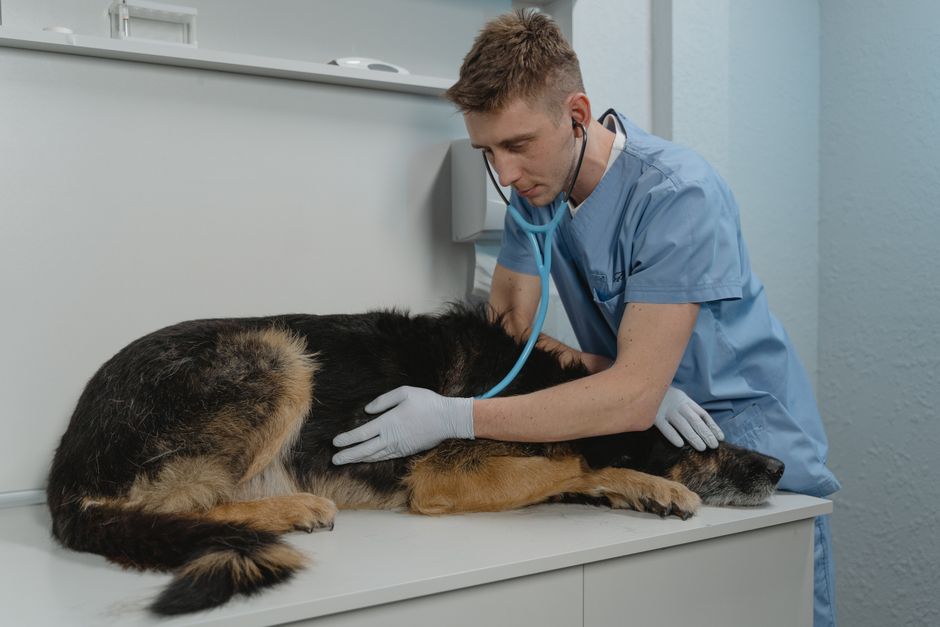
When your pet faces a cold weather emergency, immediate intervention is critical. At St. Charles Veterinary Hospital, our team of veterinarians is equipped to handle a range of urgent situations, including hypothermia, toxin ingestion, and gastrointestinal emergencies. For hypothermia, we focus on gentle warming techniques, intravenous fluids, and continuous monitoring of vital signs. If your pet has ingested a toxin like antifreeze or rodenticide, rapid diagnostics and antidote administration may be needed. In cases of choking or foreign body ingestion, our team uses advanced imaging and, if necessary, emergency surgery to remove obstructions and stabilize your pet.
Our emergency veterinary care services are available any time—day or night—so you never have to wait for your regular veterinarian to open. Whether your pet needs urgent stabilization, pain management, or surgical intervention, we are ready to provide prompt, compassionate care.
How to Prevent Cold Weather Emergencies at Home
Preventing pet emergencies in November starts with a few simple precautions tailored to our local climate and seasonal activities. Make sure your dog or cat always has access to warm, dry shelter, especially if a cold front is forecasted. Bring outdoor cats inside, and limit walks for sensitive breeds during chilly mornings or evenings. After any rainfall, dry your pet thoroughly and inspect their paws for signs of discomfort.
Store all antifreeze, rodenticides, and other chemicals in secured, pet-proof areas. Even small spills can be deadly, as antifreeze has a sweet taste that attracts animals. During holiday preparations, keep all human foods, especially chocolate, grapes, onions, and items sweetened with xylitol, well out of reach. Dispose of bones, wrappers, and leftovers promptly. Supervise pets around holiday decorations, and discourage chewing or playing with tinsel, ribbons, or electrical cords.
If your pet is curious or prone to escape, double-check that doors and gates remain closed during gatherings. Microchipping and having up-to-date identification tags can help reunite you quickly if your pet manages to slip out.
When Should You Seek Emergency Veterinary Care?
Knowing when to seek emergency help can save your pet’s life. Bring your pet in immediately if you notice severe shivering, collapse, difficulty breathing, persistent vomiting or diarrhea, seizures, or any signs of toxin ingestion. Pets that have eaten antifreeze, rodenticide, or unknown substances should be evaluated right away, even if they seem normal at first; some toxins take time to show their damaging effects.
Do not wait for symptoms to worsen—our veterinary professionals at St. Charles Veterinary Hospital are trained to respond quickly in these situations. Remember, walk-ins are always welcome and no appointment is needed for emergencies. If you are unsure whether your pet’s situation is urgent, it is always safer to err on the side of caution and visit us for an evaluation.
For additional guidance on what constitutes a pet emergency and how our team can help, you can refer to our page on emergency veterinary care.
Protecting Your Pet in Davenport and Surrounding Communities
November in Davenport may not bring snowdrifts, but it does present unique seasonal challenges for dogs and cats. By staying alert to cold snaps, securing dangerous chemicals, and keeping holiday hazards out of reach, you can help your pet avoid many common emergencies. However, accidents can happen to even the most vigilant pet owners. If you ever find yourself searching for an emergency vet near me or need urgent advice after hours, remember that St. Charles Veterinary Hospital is here to support you and your pet every step of the way.
If you have questions, concerns, or need immediate assistance, do not hesitate to call us at (863) 622-8181 or visit us in person at 2360 North Blvd West, Davenport, FL 33837. Our compassionate veterinary team is dedicated to providing prompt, expert care for all your pet’s emergency needs—no appointment needed, walk-ins always welcome. Keep your pet safe, stay prepared, and know that we are always here for you this November and beyond.
If you ever have doubts about your pet’s health or safety, contact your veterinarian immediately. This blog is intended for informational purposes only and should not replace professional veterinary advice or care.