Digestive Issues in Dogs: When to Seek Emergency Care
Digestive Issues in Dogs: When to Seek Emergency Care
Digestive issues in dogs can be alarming for any pet owner, especially when symptoms like vomiting, diarrhea, or a sudden loss of appetite appear out of nowhere. At St. Charles Veterinary Hospital, located at 2360 North Blvd West, Davenport, FL 33837, we understand how upsetting it is to see your pet in distress. Our veterinary team is here to help you recognize when digestive upsets are mild and manageable at home and, more importantly, when they require immediate emergency care. With our doors open for walk-ins and no appointment needed, you can count on us for urgent attention, including after-hours support when your regular veterinarian might not be available. In this blog, we will help you identify the warning signs of serious digestive problems, explain common causes, outline treatment options, and guide you on the next steps to take if your dog is suffering from digestive issues in Davenport or the surrounding communities.
Recognizing Digestive Issues in Dogs: Symptoms That Need Your Attention
Digestive issues in dogs can range from mild stomach upset to life-threatening emergencies. Knowing the difference is critical for your pet’s health and safety. Common symptoms to watch for include repeated vomiting, persistent diarrhea, sudden loss of appetite, excessive drooling, abdominal pain or bloating, visible discomfort, and lethargy. Some dogs may strain to defecate or have blood in their stool or vomit. Additionally, signs like frequent attempts to vomit without producing anything, severe weakness, or collapse are especially concerning and require immediate veterinary evaluation. Even a single episode of vomiting or diarrhea can become an emergency if your dog is very young, elderly, or has existing health problems.
If your dog experiences these symptoms, particularly if they are severe, occur suddenly, or continue for more than a few hours, it is time to take action. Our team at St. Charles Veterinary Hospital welcomes walk-ins, so you never need to hesitate if you are worried about your pet’s wellbeing.
What Causes Digestive Issues in Dogs?
There are many reasons why dogs develop digestive problems, and sometimes the cause is not immediately obvious. Dietary indiscretion is one of the most frequent culprits; this happens when a dog eats something inappropriate, such as garbage, spoiled food, or a foreign object like a toy or a sock. Sudden changes in diet, food intolerances, and ingesting toxins or plants can also trigger upset stomachs. Infectious diseases, including parvovirus or bacterial infections, can cause severe gastrointestinal symptoms, especially in puppies or unvaccinated dogs.
Other causes include parasites such as roundworms or hookworms, which can lead to chronic digestive upset and weight loss. Chronic conditions like pancreatitis, inflammatory bowel disease, liver or kidney disease, and even certain cancers may present with vomiting, diarrhea, or appetite changes. Stress, anxiety, and side effects from medications can also contribute to digestive issues in dogs. In some cases, a dog may develop a condition called bloat (gastric dilatation and volvulus), which is a rapidly progressing emergency.
Emergency Treatment for Digestive Issues in Dogs
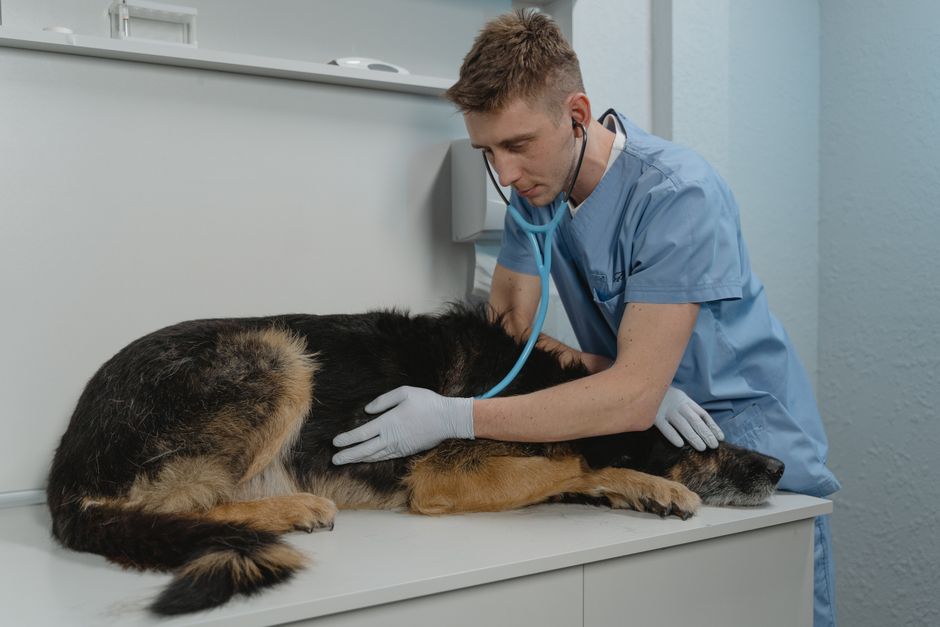
When your dog is experiencing severe or prolonged digestive symptoms, emergency veterinary care is often necessary. At St. Charles Veterinary Hospital, our veterinary team is equipped to provide rapid assessment and immediate interventions. During your visit, we start with a thorough physical examination and may recommend tests such as bloodwork, X-rays, or ultrasound to determine the underlying cause. If dehydration is present due to vomiting or diarrhea, intravenous fluids and electrolyte therapy are administered to stabilize your pet.
Treatment options will depend on the specific diagnosis. For example, ingestion of toxins or foreign objects may require urgent procedures to remove the item or manage poisoning. Infectious diseases are treated with appropriate medications, while conditions like pancreatitis or bloat demand intensive monitoring and sometimes emergency surgery. Pain relief, anti-nausea medications, and nutritional support play a critical role in your dog’s recovery.
Our hospital’s capacity for emergency care means you can bring your dog in at any time during our business hours, and we are here for you when your regular veterinary clinic is closed. For more information about what to expect during an urgent visit, explore our page on emergency veterinary care.
Home Care and Prevention: Supporting Your Dog’s Digestive Health
While some digestive issues in dogs are unpredictable, there are steps you can take to prevent common problems and support your dog’s digestive system at home. Feed a consistent, high-quality diet and make any dietary changes gradually to avoid upsetting your dog’s stomach. Keep trash, hazardous foods, and household chemicals out of reach to minimize the chance of accidental ingestion. Routine deworming and regular checkups help catch and address parasitic infections early.
Monitor your dog’s environment for plants, yard products, or small objects that could be harmful if eaten. If your dog is anxious or prone to stress, maintaining a stable daily routine and providing enrichment can help reduce anxiety-related digestive problems. When your dog does experience mild stomach upset—such as a single episode of vomiting or diarrhea without other signs—it may help to withhold food for a short period and then offer a bland diet, but always consult with your veterinarian before starting home remedies.
When to Seek Emergency Veterinary Care for Digestive Issues
Not all digestive issues in dogs require emergency intervention, but certain warning signs mean you should seek help without delay. If your dog is vomiting repeatedly, cannot keep water down, is lethargic, has blood in vomit or stool, or shows signs of abdominal pain or swelling, do not wait. Difficulty breathing, pale gums, collapse, or signs of bloat are also cause for immediate concern. Puppies, senior dogs, and pets with chronic illnesses are at higher risk for rapid deterioration and should be seen at the first sign of digestive upset.
Remember that our veterinary team at St. Charles Veterinary Hospital welcomes walk-ins and provides prompt care when your regular veterinarian is unavailable. We are committed to supporting the health of dogs and their families in Davenport and surrounding communities, offering peace of mind when urgent situations arise. To learn more about our emergency capabilities, visit our emergency veterinary care page.
Your Local Partner in Emergency Care for Digestive Issues in Dogs
Digestive issues in dogs can escalate quickly, but knowing when and where to seek help makes all the difference. At St. Charles Veterinary Hospital in Davenport, we are dedicated to providing immediate, compassionate care for your pet when emergencies strike. Walk-ins are always welcome, and no appointment is needed for urgent cases. If you are searching for an emergency vet near me, our veterinary team is ready to help your dog feel better as soon as possible.
If your dog is experiencing severe digestive problems or you are unsure about the seriousness of their symptoms, do not hesitate to bring them to 2360 North Blvd West, Davenport, FL 33837 or call (863) 438-6600. Our team is here to answer your questions and provide immediate support for digestive issues in dogs, day or night. Your pet’s health and comfort are always our top priorities.
This article is intended for informational purposes only and should not replace professional veterinary advice. If your dog is showing signs of a medical emergency, seek veterinary care right away.