Digestive Symptoms in Exotic Pets: When to Seek Emergency Care

Digestive Symptoms in Exotic Pets: When to Seek Emergency Care
Digestive health is a cornerstone of well-being for all animals, but as an owner of birds, reptiles, or small mammals, you know that exotic pets often have unique needs and sensitivities. When your exotic companion starts showing signs of digestive trouble—such as vomiting, diarrhea, or not eating—it can be confusing and concerning to know how serious the situation is. Can you explain knowing when digestive symptoms need veterinary care in simple terms? That’s a question we hear often from concerned owners in the Davenport area. At St. Charles Veterinary Hospital, located at 2360 North Blvd West, Davenport, FL 33837, our team of veterinarians is dedicated to providing rapid, species-appropriate emergency care for all kinds of exotic pets. Walk-ins are always welcome, and no appointment is needed—especially when your regular vet isn’t available or your pet’s symptoms can’t wait. In this guide, we’ll break down how to recognize signs of digestive distress in exotic animals, what might be causing them, when home monitoring is okay, and when to seek immediate veterinary attention right here in Davenport and surrounding communities.
Recognizing Digestive Distress in Exotic Pets
Identifying digestive problems in exotic pets can be challenging, as their symptoms often differ from those seen in dogs or cats. For example, birds may show subtle changes like fluffed feathers, changes in droppings, or reduced vocalization. Reptiles—including snakes and lizards—might become lethargic, refuse food, or pass abnormal stools. Small mammals such as rabbits, guinea pigs, and ferrets can exhibit decreased appetite, bloating, or sudden changes in stool consistency. Key signs of digestive distress in exotic pets include vomiting or regurgitation, diarrhea or very loose droppings, reduced or absent appetite, visible abdominal swelling, straining to defecate, or even just a rapid change in normal behaviors. Sometimes, owners notice their exotic pet is hiding more than usual, becoming less responsive, or vocalizing in discomfort. These symptoms can range from mild to severe, but in exotic species, things can deteriorate quickly because many hide their illness until it becomes critical. If you notice any sudden or severe digestive changes in your exotic pet, it’s important to be proactive in seeking help.
Understanding Why Digestive Issues Happen in Exotics
Digestive upsets in exotic pets can have a wide variety of causes. Diet is a common culprit—many exotic animals have highly specific nutritional requirements, and even small deviations can lead to problems. For example, parrots fed a seed-only diet may develop liver and gut issues, while reptiles given improper lighting or temperature may be unable to digest their food. Stress is another frequent factor, whether it’s from a new environment, loud noises, or changes in routine. Infections, parasites, and toxins can all cause acute digestive symptoms, and in some species, even minor illnesses can spiral into life-threatening emergencies. For small mammals, gastrointestinal stasis—where the gut slows down or stops—can be triggered by pain, dehydration, or lack of fiber, and can quickly become fatal if not addressed. Owners should also be aware that certain medications, household plants, or objects can be toxic if ingested. The anatomy and physiology of exotic pets can make them uniquely vulnerable to digestive upset, which is why rapid recognition and intervention are so important.
Treatment Options for Digestive Emergencies in Exotic Pets
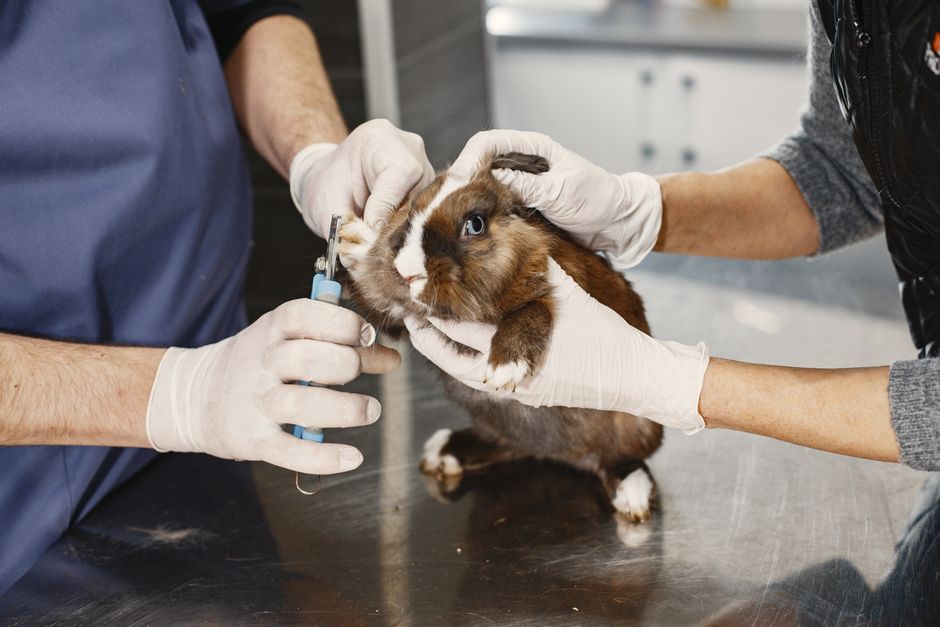
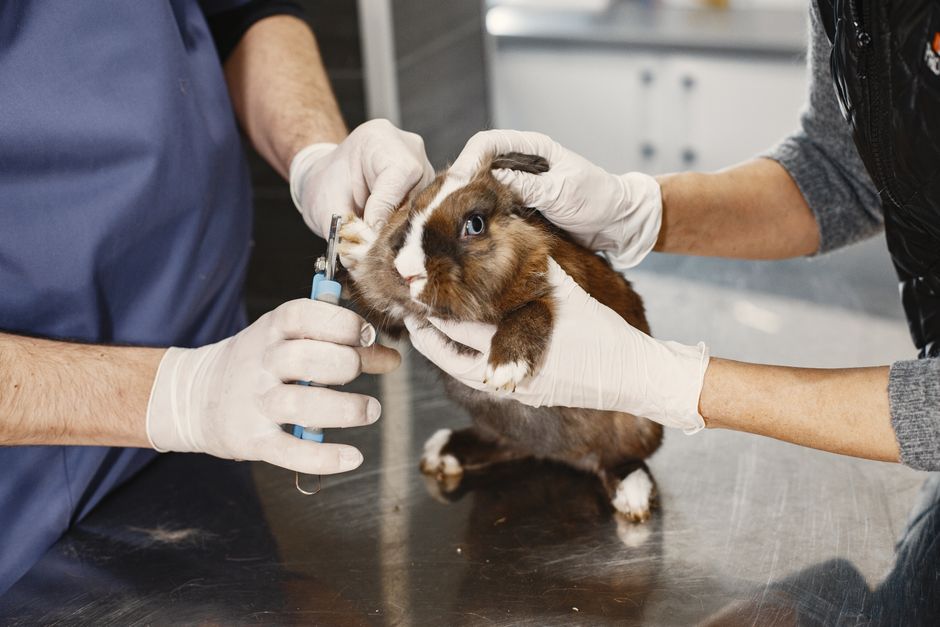
When an exotic pet presents with significant digestive symptoms, the approach to care is tailored to the species and the underlying cause. At St. Charles Veterinary Hospital, our emergency veterinary care team is equipped to handle a wide range of urgent cases, from birds regurgitating food to reptiles with severe constipation or mammals experiencing diarrhea. Treatment approaches involve a thorough examination, diagnostic tests such as fecal analysis or imaging, supportive therapies like fluids or nutritional support, and targeted medications when appropriate. For example, a bird with crop stasis may require careful rehydration and crop flushing, while a rabbit with GI stasis could need pain relief, fluids, and careful syringe feeding. In cases of toxin ingestion, rapid decontamination and supportive care are critical. Our team is trained to stabilize exotic patients quickly, monitor their progress, and adapt treatment as needed. If your pet’s symptoms are severe or worsening, immediate intervention can make a significant difference in their outcome. To learn more about our rapid response capabilities, visit our emergency veterinary care page.
Home Care and Prevention for Exotic Pet Digestive Health
While some mild digestive issues can resolve with simple home care, prevention is always the best strategy for exotic pets. Steps include providing a species-appropriate diet, maintaining clean and safe enclosures, ensuring proper humidity and temperature, and minimizing stress from environmental changes. Owners should also avoid giving exotic pets foods, plants, or objects that are not safe for their species. Regularly weighing your pet and monitoring their droppings can offer early clues to developing problems. When minor symptoms occur—such as a single episode of soft stool or brief appetite loss—monitor your pet closely for rapid changes. Encourage hydration and maintain a calm, comfortable environment. However, exotic pets often deteriorate quickly, and delays in seeking help can have serious consequences. Preventive care, including regular check-ups with an experienced exotic animal veterinarian, is crucial for long-term health. To explore routine care options for your exotic pet, you may want to review our general practice services for exotics.
Can You Explain Knowing When Digestive Symptoms Need Veterinary Care in Simple Terms?
It’s natural to wonder: can you explain knowing when digestive symptoms need veterinary care in simple terms? The short answer is that any sudden, severe, or persistent digestive issue in an exotic animal should be treated as urgent. Warning signs that require immediate attention include vomiting or regurgitation that does not resolve, persistent diarrhea, refusal to eat or drink for more than 12 hours (in small mammals, even less), obvious pain or vocalizing, bloating or abdominal swelling, difficulty defecating, or any other rapid decline in behavior or responsiveness. Birds that stop singing or become fluffed up and quiet, reptiles that refuse to move or appear paralyzed, and mammals that hunch or grind their teeth are all showing signs that their condition may be serious. If you are ever unsure, it is always safer to err on the side of caution and bring your exotic pet for an urgent assessment. Walk-ins are welcome at St. Charles Veterinary Hospital, and our emergency department is open when your regular vet is not available. Do not wait for symptoms to worsen, as timely care can be life-saving for exotic species.
When to Seek Immediate Veterinary Care for Your Exotic Pet
The line between a mild digestive upset and a true emergency can be difficult to judge, especially in exotic animals. Owners should seek immediate veterinary care if their pet is unable to keep food or water down, is producing no droppings or urine, appears weak or non-responsive, or shows any sign of rapid deterioration. For rabbits and small mammals, even a few hours without eating can quickly become life-threatening. Birds showing significant droopiness, changes in droppings, or trouble breathing may need urgent intervention. Reptiles that are cold, limp, or unable to pass waste may be in critical condition. If your exotic pet is experiencing any of these symptoms, do not delay—our emergency veterinary care team at St. Charles Veterinary Hospital is ready to help, no appointment needed. Remember, exotic pets often hide their illness until it becomes advanced; prompt action is always best.
Your Partners in Exotic Animal Emergency Care
Digestive issues in exotic pets can be worrisome, but with prompt recognition and the right veterinary support, many animals recover fully. At St. Charles Veterinary Hospital, our team of veterinarians is committed to providing compassionate, rapid care for the unique needs of birds, reptiles, and small mammals in Davenport and surrounding communities. If you are searching for an emergency vet near me or simply want peace of mind that your exotic pet will be cared for by experts, you can count on our emergency department to be available whenever you need us—walk-ins welcome and no appointment required. Can you explain knowing when digestive symptoms need veterinary care in simple terms? If your exotic pet is showing any concerning digestive signs, do not hesitate to contact us at (863) 438-6600 or visit us in person at 2360 North Blvd West, Davenport, FL 33837. For additional information on our emergency services or routine care for exotics, please see our pages on emergency veterinary care and general practice services for exotics. Your exotic companion’s health and comfort are always our top priority—never wait when their wellbeing is at stake.