Emergency Vet Care for Exotic Pets in Davenport
Emergency Vet Care for Exotic Pets in Davenport
Exotic pets bring unique joy and fascination to our lives, whether you share your home with a vibrant parrot, a curious bearded dragon, or a playful ferret. Yet, when an emergency strikes, finding the right veterinary care can feel overwhelming. Many traditional veterinary clinics may not have the specialized knowledge or equipment needed to treat birds, reptiles, and small mammals in crisis. That’s why St. Charles Veterinary Hospital in Davenport stands ready as your local emergency vet, offering immediate and expert care for exotic pets when every second matters. Walk-ins are always welcome, and our 24/7 Emergency Department ensures your companion can receive life-saving treatment even when regular clinics are closed. In this guide, we’ll help you recognize urgent warning signs in exotic species, explain what to expect during an emergency visit, and provide vital information on keeping your unique companion safe and healthy.
Recognizing Emergencies in Exotic Pets: When Is It Time to Act?
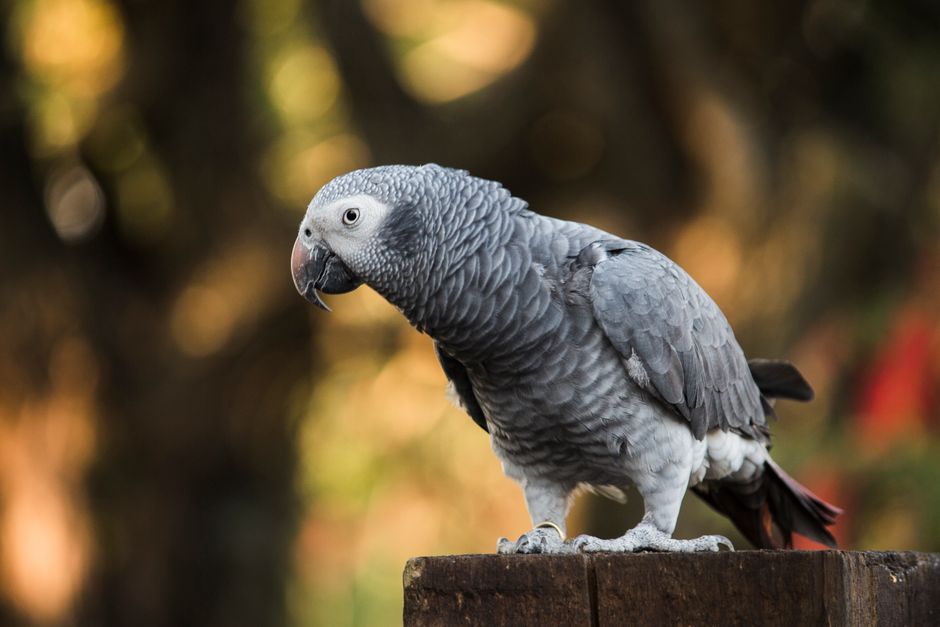
Understanding what constitutes an emergency for your exotic pet is the first step in protecting their health. Exotic animals often mask signs of illness until their condition becomes critical, so subtle changes in appearance or behavior can be cause for immediate concern. For instance, birds may suddenly become fluffed, lethargic, or sit at the bottom of the cage, which can indicate respiratory distress or severe illness. Reptiles showing open-mouth breathing, pronounced lethargy, or abnormal swelling may be in respiratory failure or suffering from an internal disorder. Small mammals, such as rabbits and guinea pigs, that stop eating or have changes in stool production are often in need of urgent attention because their digestive systems are highly sensitive.
Other red flags include labored breathing, uncontrolled bleeding, seizures, sudden paralysis, collapse, or trauma from falls or animal attacks. If your exotic pet experiences any of these symptoms, immediate evaluation by an emergency vet is crucial to maximize the chances of recovery. The earlier a problem is identified, the more options are available for successful treatment.
Why Do Exotic Pet Emergencies Happen? Understanding the Risks
Exotic pets are especially vulnerable to certain emergencies due to their unique physiology and husbandry needs. Birds, for example, have highly efficient but delicate respiratory systems that can quickly become compromised by smoke inhalation, fumes, or even household aerosols. Their small size means that blood loss or trauma can rapidly become life-threatening. Reptiles, such as turtles and snakes, often suffer from temperature-related emergencies if their enclosures are not properly maintained; overheating, sudden drops in temperature, or inadequate humidity can lead to shock or metabolic collapse. Small mammals like ferrets and hedgehogs are prone to gastrointestinal stasis or blockages, particularly if they ingest foreign objects or experience sudden changes in diet.
Additionally, exotic pets may be more likely to experience injuries from household hazards, such as chewed electrical cords, falls, or interactions with other pets. Owners should also be aware that some species can develop severe complications from relatively minor illnesses, so monitoring for subtle changes is key. Factors like improper diet, environmental stress, or undiagnosed infections can all contribute to sudden and severe health crises in these animals.
Emergency Vet Care for Exotic Pets: What to Expect During a Crisis
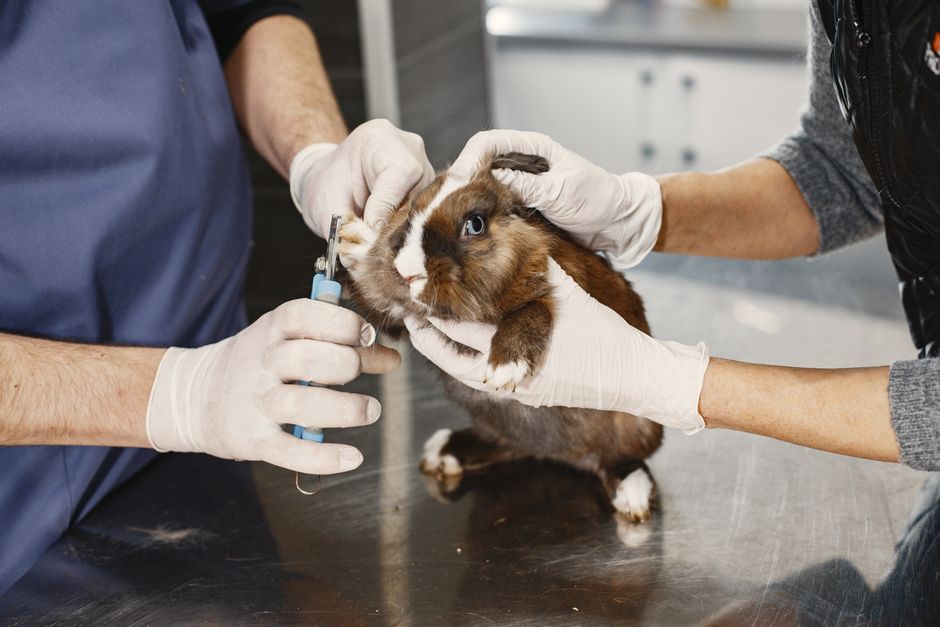
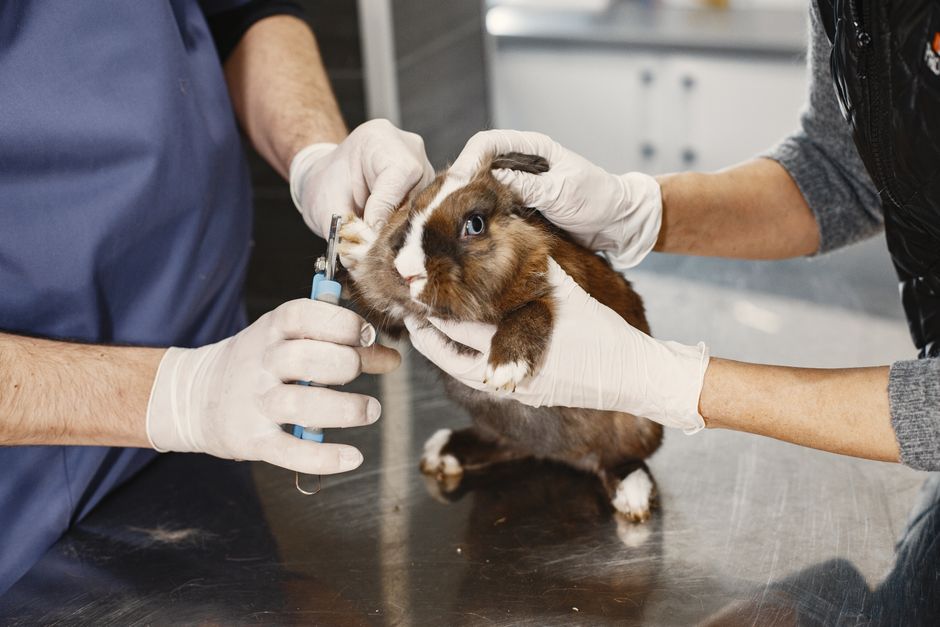
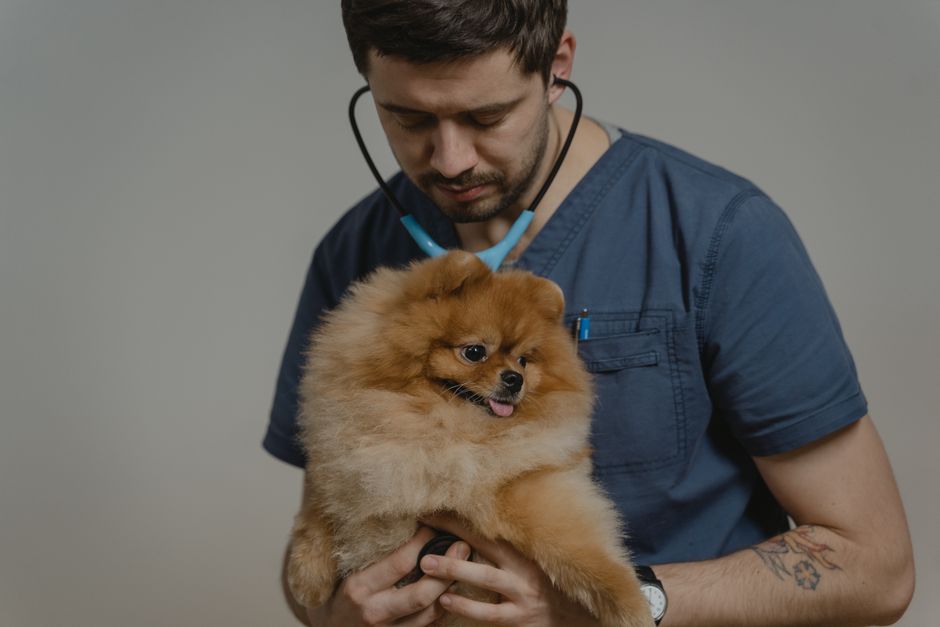
When you arrive at St. Charles Veterinary Hospital with an exotic pet in crisis, our emergency vet team springs into action. Walk-ins are always welcome; no appointment is needed, and our facility is fully equipped for the unique demands of exotic animal medicine. Upon arrival, your pet will receive an immediate triage assessment to determine the severity of their condition. This may include measuring vital signs, oxygen supplementation, or stabilization for shock or severe injury.
Diagnostic steps often involve specialized imaging, bloodwork, or advanced monitoring tailored to species-specific needs. For example, radiographs help identify internal injuries or blockages in reptiles and small mammals. Birds may require endoscopic examinations or specialized blood tests. Our veterinary professionals have extensive experience with avian, reptile, and small mammal anatomy, ensuring that every treatment is tailored to the unique biology of your exotic companion.
Treatment approaches depend on the underlying cause but may include fluid therapy, pain control, wound management, or emergency surgery. For more information about our urgent care capabilities, you can visit our page on emergency veterinary care. Throughout the entire process, our veterinary team will keep you informed and involved in decision-making so that you can feel confident in your pet’s care.
Home Care and Prevention: Protecting Your Exotic Pet from Emergencies
While not all emergencies can be prevented, there are important steps you can take at home to reduce your exotic pet’s risk. For birds, maintaining a clean cage, providing a balanced diet, and avoiding exposure to household toxins—including scented candles, Teflon cookware, and aerosol sprays—can prevent many respiratory and digestive emergencies. Regularly inspecting cage bars, perches, and toys for hazards helps prevent traumatic injuries.
Reptile owners should monitor enclosure temperatures with accurate thermometers, ensure proper humidity, and provide appropriate hiding places to minimize stress. Avoid feeding live prey to reptiles that are not adapted to hunting, as this can result in bites or injuries. Small mammals need access to safe chew toys and bedding, and their diets should be consistent and species-appropriate to prevent gastrointestinal issues.
Having a dedicated exotic-savvy veterinary team for routine health checks is another key element of prevention. If you are interested in regular checkups or have questions about best practices for exotic species, our general practice veterinary services page outlines the full scope of our preventive care offerings.
When to Seek Immediate Veterinary Care: Acting Quickly Can Save Lives
Because exotic pets are experts at hiding illness, waiting to see if symptoms improve is rarely a safe option. Seek emergency vet care immediately if your bird, reptile, or small mammal shows any of the following: difficulty breathing, persistent vomiting or diarrhea, sudden inability to stand or move, uncontrolled bleeding, seizures, collapse, or signs of severe pain. Additionally, any situation involving trauma—such as being attacked by another animal, falling from a significant height, or exposure to toxic substances—warrants an immediate visit to a veterinary hospital.
At St. Charles Veterinary Hospital, our emergency department is open 24/7 for exotic pets in Davenport and the surrounding communities. Walk-ins are welcome at all hours, and you do not need to call ahead before arriving with your animal in crisis. Our veterinary professionals are always ready when your regular veterinarian is unavailable or if you are unsure whether the situation is a true emergency. Timely action can make the difference between life and death for many exotic species.
Compassionate, Expert Exotic Care When It Matters Most
Caring for an exotic pet requires vigilance and prompt action when emergencies arise. By recognizing early warning signs, understanding common risks, and maintaining proactive home care, you can help keep your unique companion safe. However, when the unexpected happens, the emergency vet team at St. Charles Veterinary Hospital is prepared to provide the specialized attention your exotic pet needs—day or night, even when most clinics are closed.
If you are ever in doubt or searching for an "emergency vet near me" for exotic pets, remember that our doors are always open to the Davenport community and surrounding areas. Walk-ins are welcome; no appointment is necessary. For immediate assistance, visit our hospital at 2360 North Blvd West, Davenport, FL 33837 or call (863) 438-6600. To explore more about our emergency veterinary care or learn about our general practice veterinary services for exotics, visit our website. Your pet’s health and safety are our top priorities, and our veterinary team is here to support you every step of the way.
This blog is for informational purposes only and should not replace professional veterinary advice. Always consult a qualified veterinarian for concerns about your exotic pet’s health or in any emergency situation.