Finding an Animal Hospital Near Me for Exotic Pet Emergencies
Finding an Animal Hospital Near Me for Exotic Pet Emergencies
When your exotic pet faces a sudden health crisis, knowing exactly where to turn can make all the difference. Whether you share your home with a colorful parrot, a curious bearded dragon, or a charming rabbit, emergencies can happen at any hour. In these critical moments, you want reassurance that a trusted animal hospital near me is ready to help, with the experience and resources needed to care for unique species. At St. Charles Veterinary Hospital, located at 2360 North Blvd West, Davenport, FL 33837, we understand the urgency that comes with avian, reptile, or small mammal emergencies. Walk-ins are always welcome, and our emergency veterinary team is available 24/7—including nights, weekends, and holidays—when your regular veterinarian may not be available. In this blog, we will help you recognize signs of exotic pet emergencies, explain what sets urgent care for these species apart, and guide you on what to do when seconds count. You will also learn why our hospital is the local destination for immediate exotic animal care in Davenport and surrounding communities.
Recognizing Exotic Pet Emergencies: When Immediate Care Is Needed
Many exotic pet guardians are experts in their species’ normal routines, but emergencies can be subtle and progress rapidly. Birds, reptiles, and small mammals often hide signs of illness until they are critically ill. It is vital to know the warning signs that mean your animal needs to see an animal hospital near me without delay.
Common emergency symptoms in exotic pets include sudden lethargy or weakness, trouble breathing, bleeding, seizures, collapse, inability to stand or perch, severe diarrhea, vomiting, continuous open-mouth breathing in reptiles, and marked changes in color or posture. Birds may show fluffed feathers, closed eyes, or sit at the bottom of the cage. Rabbits and rodents can exhibit signs such as not eating, tooth grinding, or straining to urinate or defecate. Signs like egg binding in female birds or reptiles, visible wounds, or exposure to toxins also require immediate attention. If your exotic companion is displaying any of these symptoms, our emergency veterinary care is accessible day or night to help.
Why Exotic Pet Emergencies Can Be So Serious
Exotic animals have unique anatomy and physiology compared to dogs and cats, which means their medical needs in emergencies are often more specialized. Many species are prey animals and instinctively hide weaknesses to avoid drawing attention from predators in the wild. As a result, by the time you notice that your bird, reptile, or small mammal is acting unwell, the underlying problem may already be advanced.
Environmental factors, such as improper temperature, humidity, or diet, are frequent contributors to emergencies in exotic pets. For example, a temperature drop can cause a reptile to become lethargic or even go into shock, while birds are highly sensitive to toxins in the air or water. Dental problems in rabbits and rodents can lead to life-threatening gastrointestinal stasis. Other causes of emergencies include traumatic injuries, bite wounds, egg retention, respiratory infections, sudden blood loss, or heatstroke in Florida’s warm climate. Understanding these risks underscores the importance of having a qualified animal hospital near me that is prepared for the complexities of exotic animal medicine.
How Exotic Pet Emergencies Are Treated at St. Charles Veterinary Hospital
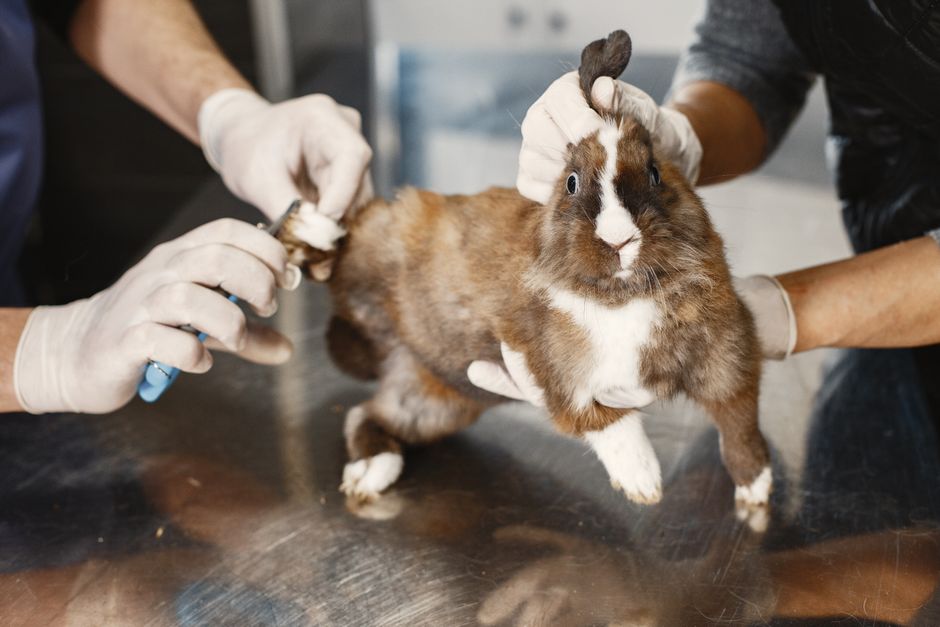
When you bring your exotic pet to St. Charles Veterinary Hospital—or arrive as a walk-in during an emergency—our team of veterinarians takes immediate action tailored to your animal’s species and condition. The first step is always a swift assessment to stabilize your pet: this may involve oxygen therapy, fluid administration, pain relief, or emergency procedures to address bleeding, wounds, or seizures.
Once your companion is stable, specialized diagnostic tools are used to pinpoint the cause of the emergency. These may include advanced imaging, bloodwork, and species-specific exams. For birds, our team may perform crop washes or radiographs; for reptiles, we evaluate hydration, temperature, and signs of impaction or respiratory distress. Rabbits and rodents may require dental exams, gastrointestinal support, or surgery for abscesses and injuries.
Treatment approaches are individualized. For example, a parrot exposed to fumes may need supportive care for respiratory distress and careful monitoring of oxygen levels. A bearded dragon with egg binding may require calcium therapy and gentle assistance with egg passage. Our veterinarians are trained in the safest handling and restraint methods to minimize stress, using heat support for reptiles or quiet environments for small mammals. If surgery is needed, our hospital is equipped for advanced procedures on exotic species. For wildlife emergencies, our team also provides wildlife rehabilitation, ensuring every animal receives appropriate care.
Throughout the process, we maintain open communication, explaining each step so you know what to expect and how you can help your exotic pet recover.
Home Care and Prevention: Supporting Your Exotic Pet’s Health
While not every emergency can be prevented, attentive daily care greatly reduces risk for exotic pets. For birds, providing a safe, toxin-free environment, balanced diet, and enrichment is crucial. Reptiles need species-appropriate enclosures, correct temperatures, UVB lighting, and proper humidity levels to avoid metabolic and respiratory problems. Rabbits, guinea pigs, and rodents benefit from high-fiber diets, safe housing, and regular checks for dental issues.
At home, monitor your exotic animal for subtle changes in eating, activity, droppings, or behavior. Keep enclosures clean and secure, and avoid exposing your pet to household chemicals, fumes, or sudden changes in temperature. For birds, be alert to dangers like ceiling fans or open windows; for reptiles, ensure escape-proof habitats; for small mammals, check for signs of overgrown teeth or matted fur.
If your animal has a chronic condition, follow all veterinary instructions for medication, special diets, or environmental modifications. Remember, even with excellent care, emergencies can still occur—being prepared means knowing where the nearest animal hospital near me is located and having their number on hand.
When to Seek Emergency Veterinary Care for Exotic Pets
If you ever suspect your exotic animal is in distress, it is always better to err on the side of caution. Because many conditions can worsen in just a few hours, prompt action saves lives. You should seek emergency veterinary care immediately if your bird, reptile, or small mammal is struggling to breathe, bleeding, collapsed, unresponsive, having seizures, unable to move, or suffering from sudden severe injury.
Other red flags include refusal to eat or drink for more than 24 hours, marked changes in color or posture, persistent vomiting or diarrhea, visible wounds, or exposure to toxins. For female birds or reptiles that have not laid eggs as expected, egg binding is an urgent medical emergency. If you are unsure, call our veterinarians or visit our animal hospital in Davenport right away—no appointment is needed for emergencies.
Our emergency veterinary care is available 24/7, so you never have to wait for regular business hours to get help. Walk-ins are always welcome, and our team is here for you when your regular veterinarian is unavailable.
Why St. Charles Veterinary Hospital Is the Local Choice for Exotic Emergencies
Not all animal hospitals are equipped or experienced in treating exotic animals. At St. Charles Veterinary Hospital, we take pride in our deep expertise with birds, reptiles, small mammals, and wildlife. Our facility is designed to provide safe, stress-minimized urgent care for these species, with specialized diagnostic tools and surgical capabilities.
Our veterinary team maintains advanced training in exotic animal medicine and is committed to compassionate, individualized care. We understand the unique bond you share with your companion, and we work closely with you to ensure the best possible outcome in every emergency.
We are conveniently located at 2360 North Blvd West, Davenport, FL 33837, making us easily accessible for Davenport and nearby communities. Our hospital is open 24/7 for emergencies; no appointment is ever necessary. When you search for an animal hospital near me that can truly care for your exotic pet, you can trust that our doors are always open.
Take Action: Immediate Exotic Pet Emergency Care in Davenport
Emergencies involving exotic pets require specialized knowledge, swift action, and genuine compassion. At St. Charles Veterinary Hospital, we are dedicated to being the animal hospital near me you can count on for urgent avian, reptile, and small mammal care. If you ever notice sudden, unexplained changes in your exotic animal’s behavior or appearance, or if an accident or illness strikes, do not hesitate—walk-ins are always welcome, and our emergency veterinarians are here around the clock.
When you need an emergency vet near me for your bird, reptile, or small mammal, remember that expert help is never far away. Contact our team of veterinarians at (863) 438-6600 or visit 2360 North Blvd West, Davenport, FL 33837 for immediate assistance. For more information about our services or what to do in an emergency, explore our emergency veterinary care page. Your unique companion deserves the highest standard of care—trust our veterinary professionals to be there when it matters most.
This blog is intended for general information purposes only and should not replace a direct consultation with a qualified veterinarian. If your exotic animal is experiencing an emergency, seek immediate veterinary care.