Heat Stress Emergencies in Exotic Pets: Signs and Urgent Care
Heat Stress Emergencies in Exotic Pets: Signs and Urgent Care
Florida’s hot and humid climate can pose serious risks to exotic pets, especially during the late summer and early fall. If you share your home with a bird, reptile, or small mammal, you know that these unique companions have specialized needs—particularly when it comes to temperature. Heat stress can develop quickly in exotic species, often with little warning, and can rapidly become life-threatening if not addressed immediately. At St. Charles Veterinary Hospital, located at 2360 North Blvd West, Davenport, FL 33837, we understand how distressing it is to see your exotic animal in trouble. That’s why our emergency veterinary team is available 24/7—walk-ins welcome and no appointment needed—to provide prompt, expert care for exotic pets experiencing heat stress or any urgent medical condition.
This blog will help you recognize the warning signs of heat stress in birds, reptiles, and small mammals, explain why these animals are so sensitive to high temperatures, describe what to expect if your exotic pet needs emergency treatment, and offer actionable steps to help you prevent heat-related crises in your home. We’ll also clarify when it’s time to seek immediate veterinary care, with a focus on the unique needs of exotic species in the Davenport area and surrounding communities. For those who need emergency veterinary care for exotic pets, our emergency care services are always available when your regular veterinarian is closed or unavailable.
Recognizing Heat Stress in Exotic Pets
Exotic pets, from vibrant parrots to curious iguanas and adorable chinchillas, often hide signs of illness until the situation becomes serious. Heat stress can progress rapidly in these species, so early recognition is essential. The signs you observe will vary depending on the type of animal in your care.
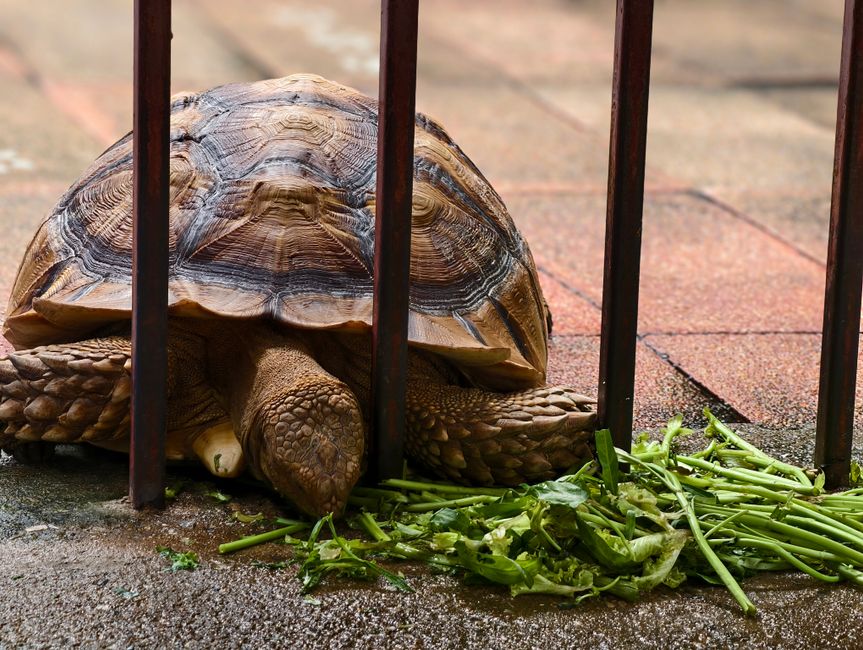
For birds, symptoms of heat stress include open-mouthed breathing, panting, wings held away from the body, restlessness, weakness, and in severe cases, collapse or seizure activity. Some birds may exhibit excessive vocalization or become unusually quiet. Reptiles, such as snakes, lizards, or turtles, might display signs like excessive basking, rapid or open-mouth breathing, lethargy, unresponsiveness, or even abnormal posturing. You may notice a reptile trying to escape its enclosure or soaking persistently in its water dish. Small mammals, including rabbits, guinea pigs, and ferrets, can show rapid breathing, drooling, bright red gums, weakness, stumbling, or convulsions. Rabbits may lie stretched out and unresponsive, while ferrets or guinea pigs might become floppy and difficult to rouse.
Since exotic animals tend to mask illness, any sudden change in behavior or appearance—especially during hot weather—should raise your concern. Acting quickly can make a significant difference in the outcome for your companion.
Why Are Exotic Pets So Vulnerable to Heat Stress?
Exotic animals have evolved in diverse habitats, ranging from the shaded canopies of rainforests to the sun-baked dunes of deserts. However, in a home environment, these species often cannot regulate their body temperature as effectively as they would in the wild. Many birds and small mammals have limited ability to sweat or pant efficiently, while reptiles are entirely dependent on their environment to control their internal temperature.
Common causes of heat stress in exotic pets include enclosures placed in direct sunlight, malfunctioning heat lamps or heating pads, poor ventilation, and high ambient room temperatures. Even short periods of exposure to temperatures above their normal range can trigger a crisis. For example, glass terrariums can become dangerously hot within minutes if left near a window, and small mammals in wire cages may have nowhere to retreat from the heat if the air conditioning fails.
Humidity also plays a role; high humidity can prevent birds and mammals from cooling themselves through normal evaporation, while some reptiles may struggle to breathe or shed if their environment is too moist or too dry. In Florida, unpredictable power outages during summer storms can add another layer of risk, especially if your exotic pet depends on a controlled environment.
Emergency Treatment for Heat-Stressed Exotic Pets
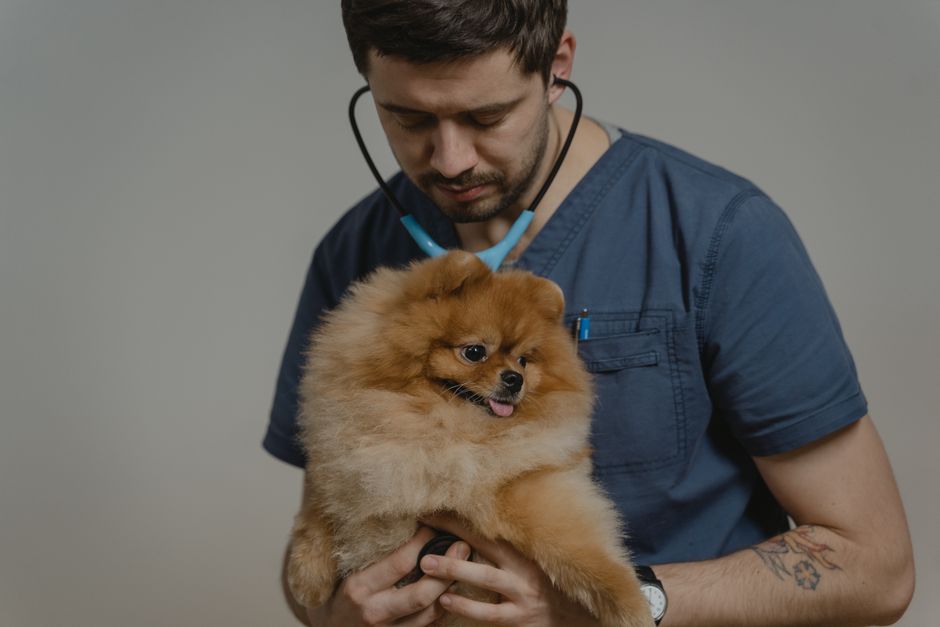
If you suspect your exotic animal is experiencing heat stress, immediate action is required. At St. Charles Veterinary Hospital, our team of veterinarians is trained to provide advanced emergency care for all types of exotic pets, from parrots to pythons and everything in between. Walk-ins are always welcome, and you do not need an appointment to receive urgent help.
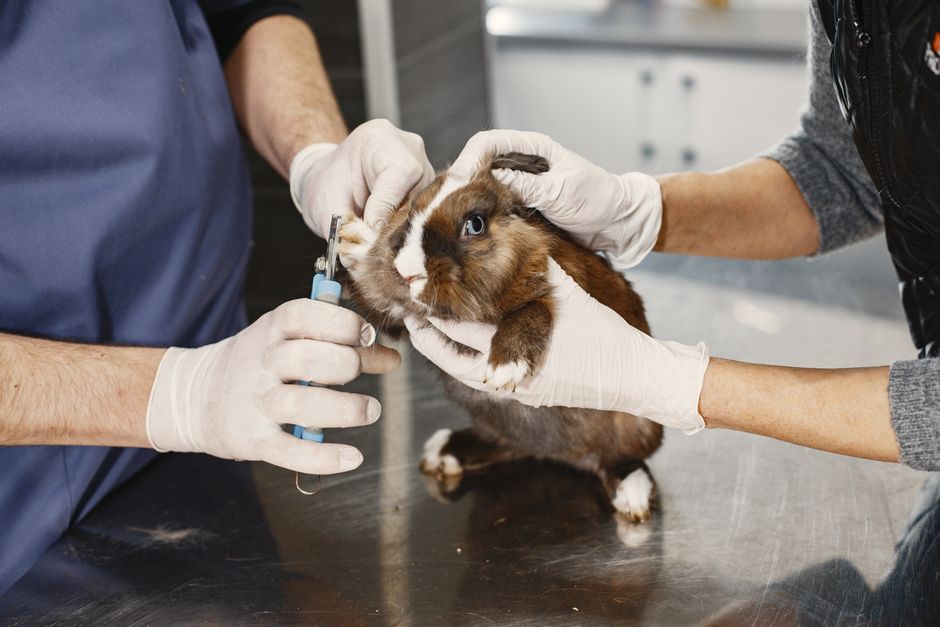
When your exotic pet arrives, our veterinary team will quickly assess vital signs, such as body temperature, heart rate, and respiratory rate. Initial treatment involves gently and gradually cooling the animal, as rapid temperature changes can cause additional harm. For birds and small mammals, cooling may involve placing the animal in a temperature-controlled environment, misting with tepid water, or using cool packs wrapped in towels. For reptiles, moving the animal to a cooler area and providing access to fresh water are critical first steps.
Veterinary professionals may administer intravenous or subcutaneous fluids to combat dehydration and support organ function. Oxygen supplementation is often necessary, especially for birds and small mammals with labored breathing. In severe cases, medications to control seizures or reduce inflammation might be required. Continuous monitoring allows the veterinary team to watch for complications such as organ failure, neurological issues, or shock, and to intervene promptly if they arise.
Throughout the emergency visit, our veterinarians will keep you informed and explain each step of your exotic pet’s treatment plan. Once stabilized, your animal may require additional care or hospitalization until fully recovered.
How to Prevent Heat Stress in Exotic Pets at Home
Preventing heat stress in exotic pets begins with understanding the specific temperature and humidity needs of your species. Researching and setting up the appropriate enclosure is essential. Make sure your bird or small mammal’s cage is placed in a well-ventilated area, away from direct sunlight and drafts. For reptiles, use thermostats and hygrometers to monitor temperature and humidity closely, and always provide a gradient within the enclosure so your pet can choose its preferred microclimate.
During Florida’s hottest months, keep your home’s air conditioning in good working order. If you anticipate power outages, have a backup plan for keeping your exotic pet cool, such as battery-operated fans or moving the animal to a cooler location. For birds, offering shallow dishes of fresh water for bathing can help with cooling. For small mammals, provide ceramic tiles or frozen water bottles wrapped in cloth as cool resting spots. Reptiles should always have access to fresh, clean water and a shaded retreat in their habitat.
Never leave an exotic animal in a parked car, even for a short time; temperatures rise quickly and can be fatal. If your pet travels with you, ensure the carrier is well-ventilated and never exposed to direct sun.
Regularly check your exotic animal for subtle changes in behavior, appetite, or appearance, as these may be early indicators of overheating. Preventive care appointments with an experienced exotic veterinarian can also help you fine-tune your husbandry and environmental setup.
When to Seek Emergency Veterinary Care
There are times when home cooling measures are not enough, and immediate veterinary attention is crucial. If your exotic pet shows signs of severe heat stress—such as collapse, unresponsiveness, seizures, rapid panting or open-mouthed breathing that does not improve, severe weakness, or a body temperature above their normal range—it is vital to seek emergency care right away. Delaying treatment can lead to irreversible organ damage or death in sensitive exotic species.
Even if your exotic animal seems to recover after initial cooling, it is still recommended to consult a veterinarian. Heat stress can cause delayed complications such as kidney failure, heart rhythm disturbances, or neurological issues that may not be visible immediately. When in doubt, it is always safer to err on the side of caution and bring your exotic pet for a professional assessment.
At St. Charles Veterinary Hospital, our emergency department is open 24 hours a day, 7 days a week—including nights, weekends, and holidays. Walk-ins are always welcome, and no appointment is needed. We are equipped to handle the urgent needs of exotic pets from across Davenport and surrounding communities, providing advanced care when your regular veterinarian is unavailable. For more information about what to expect during an emergency visit, visit our page on emergency veterinary care.
Protecting Your Exotic Pet from Heat Stress: Take Action Now
Florida’s climate demands extra vigilance from exotic animal owners, but with careful observation and preparation, most heat emergencies can be prevented. By learning to recognize early warning signs, providing a safe and well-controlled environment, and knowing when to seek urgent help, you can give your unique companion the best possible protection from heat-related dangers.
If you ever find yourself searching for an "emergency vet near me" for your exotic pet, remember that St. Charles Veterinary Hospital is always here to help—whether it’s in the middle of the night, on a weekend, or during a holiday. Walk-ins are welcome at our Davenport location, and our team of veterinarians is experienced in the unique needs of birds, reptiles, and small mammals. If you suspect your exotic animal is experiencing heat stress, do not hesitate—call us at (863) 438-6600 or bring your pet directly to our hospital for immediate care.
The health and safety of your exotic companion are our top priorities. At St. Charles Veterinary Hospital, we are dedicated to providing expert, compassionate care for exotic pets in any emergency. For more details on our 24/7 services, visit our emergency care information page, or reach out anytime with your questions and concerns. Your exotic animal deserves the best possible care—let us be your trusted partner in their wellbeing.