How to Find a 24hr Vet Near Me for Exotic Pets
How to Find a 24hr Vet Near Me for Exotic Pets
When your exotic pet faces a sudden health crisis, every minute counts. Whether your parrot has stopped eating, your bearded dragon is acting lethargic, or your rabbit is experiencing labored breathing, finding a reliable 24hr vet near me can feel overwhelming—especially in the middle of the night or on weekends. At St. Charles Veterinary Hospital, located at 2360 North Blvd West, Davenport, FL 33837, we understand how urgent and stressful these situations are for exotic animal owners. Our veterinary team is available 24/7, offering immediate care for birds, reptiles, small mammals, and other unique species. Walk-ins are always welcome; no appointment is needed for emergencies, ensuring your exotic companion receives prompt, expert attention when it matters most. In this guide, you’ll learn how to quickly locate a trustworthy 24hr vet for exotics, what to do if your pet is in crisis, and why St. Charles Veterinary Hospital is the local leader in emergency exotic animal care in Davenport and surrounding communities.
Recognizing an Exotic Pet Emergency
Exotic animals are masters at hiding illness and pain, which can make it challenging to know when a true emergency is unfolding. Unlike dogs and cats, many exotic pets display only subtle changes in behavior or appearance when they are unwell. Key symptoms of a crisis in birds include fluffed-up feathers, reluctance to perch, sudden weakness, and changes in voice or breathing. For reptiles such as snakes, turtles, or lizards, warning signs can include gaping mouth, lethargy, abnormal shedding, or difficulty moving. Small mammals like rabbits, guinea pigs, and ferrets may show emergencies through rapid breathing, refusal to eat, bloating, drooling, or bleeding. Any sudden trauma, such as a fall, bite wound, or attack by another animal, also demands immediate veterinary attention.
Additionally, exotic pets that are not moving, having seizures, showing signs of paralysis, or bleeding uncontrollably require urgent intervention. Because these species often deteriorate quickly, it is always safer to err on the side of caution and seek professional help as soon as you notice abnormal symptoms.
Why Exotic Pets Have Unique Emergency Needs
Exotic pets, including birds, reptiles, and small mammals, have very different anatomy, physiology, and medical requirements compared to dogs and cats. Their unique biology means they can decline much more rapidly in the face of illness or injury, and many common medications or treatments used for traditional pets are not safe or effective for exotics. For example, birds have highly efficient respiratory systems that can be compromised by fumes, minor airway obstructions, or stress. Reptiles are sensitive to temperature and humidity changes, which can quickly lead to life-threatening metabolic problems if not addressed. Small mammals such as rabbits and guinea pigs cannot vomit, so blockages or gut stasis can cause critical emergencies in a matter of hours.
Furthermore, many general veterinary clinics are not equipped to handle exotic emergencies, lacking the specialized equipment and training required for these species. That’s why it is essential to identify a veterinary hospital like St. Charles that offers 24/7 emergency services for exotics and employs veterinarians with advanced training in these animals. You can learn more about our commitment to exotic animal medicine by visiting our meet the team page, where you’ll find veterinarians with special interests in avian, reptilian, and small mammal care.
How Emergency Exotic Veterinary Care Works
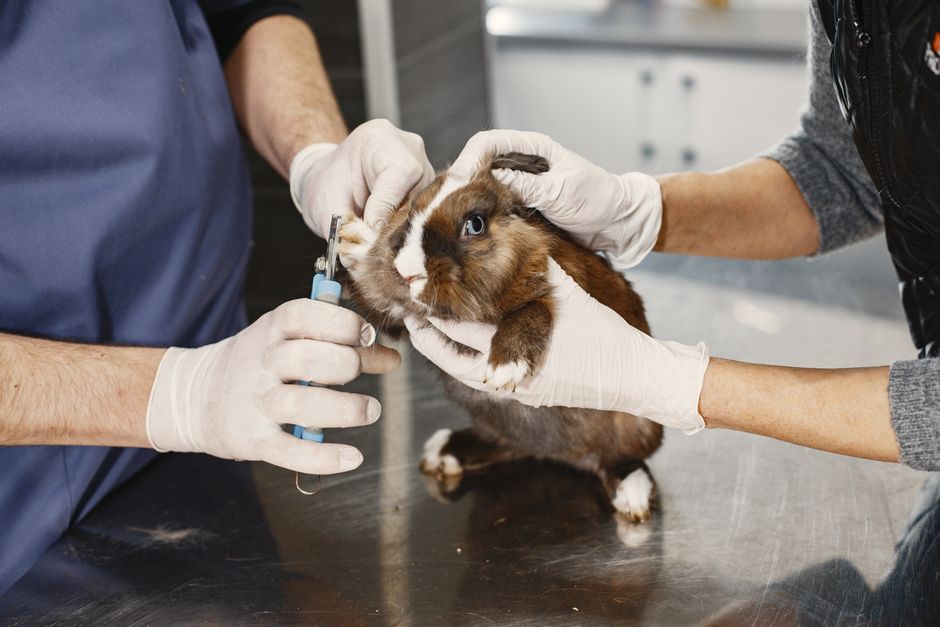
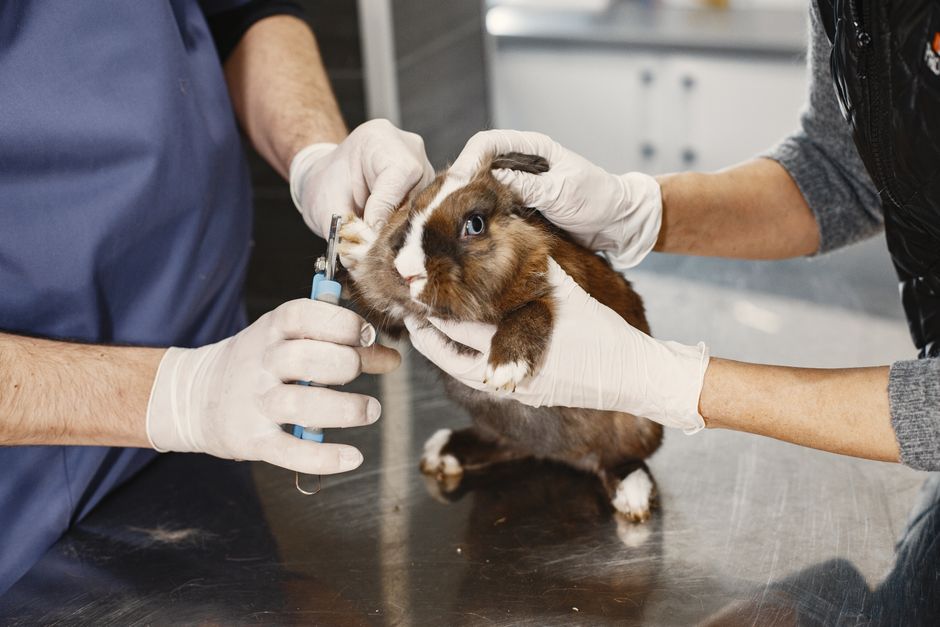
When you arrive at St. Charles Veterinary Hospital with an exotic emergency, our team immediately triages your animal to stabilize critical symptoms. The emergency process for exotics involves a rapid assessment, including observation of breathing, heart function, neurological status, and hydration. Diagnostic tests such as blood work, radiographs, or specialized imaging may be used to determine the underlying problem. For birds in respiratory distress, supplemental oxygen and careful handling are crucial. Reptiles with metabolic disorders may require temperature support, fluid therapy, or antidotes for toxin exposure. Small mammals suffering from gastrointestinal stasis often need a combination of fluids, nutritional support, and medications to restore gut function.
Our hospital is equipped with advanced monitoring equipment, specialized incubators, and safe anesthesia protocols tailored for exotic species. Because emergencies can arise at any hour, our 24hr vet team is always ready to provide immediate intervention, whether your pet requires surgery, wound care, or intensive medical support. For more information about our capabilities, visit our emergency veterinary care page.
What to Do at Home Before You Arrive
While immediate professional care is always best for a true emergency, there are steps you can take at home to help stabilize your exotic pet during transport. First, minimize handling to reduce stress; keep your animal in a secure, well-ventilated carrier. For birds, gently wrap them in a soft towel if they are too weak to perch, making sure their airway is clear. For reptiles, maintain their preferred temperature by using a pre-warmed towel or heat pack wrapped in cloth, but avoid overheating. Small mammals should be kept in a quiet, dim environment to prevent shock. Remove any food or water bowls that could spill during transport.
Do not attempt to give human medications, perform medical procedures, or force-feed your exotic pet unless specifically instructed by a veterinarian. If your animal is bleeding, apply gentle pressure with a clean cloth, and if you notice signs of respiratory distress, keep their airway as open as possible. Always call ahead if you can, but remember that at St. Charles Veterinary Hospital, walk-ins are welcome and no appointment is needed for emergencies.
Preventing Emergencies in Exotic Species
Prevention is always the best medicine, especially with exotic pets. Many emergencies stem from husbandry errors, such as incorrect temperature, humidity, or diet. Regular health checks with an experienced exotic veterinarian can catch early signs of disease before they become critical. For birds, maintaining a balanced diet, clean cage, and safe environment reduces the risk of poisoning and trauma. Reptile owners should monitor enclosure temperatures and humidity, provide UVB lighting, and ensure proper substrate to prevent metabolic bone disease and impaction. Small mammals benefit from high-fiber diets, regular grooming, and safe housing free from sharp edges or dangerous objects.
Establishing a relationship with a veterinary hospital that offers both general and emergency care for exotics means your animal will always have access to skilled support. Keeping the contact information for St. Charles Veterinary Hospital on hand can save valuable time when seconds matter.
When to Seek Immediate Exotic Veterinary Care
Anytime your exotic pet exhibits sudden changes in behavior, breathing, mobility, or appetite, it is time to seek immediate veterinary care. Examples include a bird sitting on the cage floor and refusing to eat, a reptile that is limp or gasping for air, or a rabbit with a swollen abdomen and no waste output. Injuries, seizures, or exposure to toxins also require urgent attention. Because the window to treat these conditions is often short, do not wait to see if symptoms improve on their own.
At St. Charles Veterinary Hospital, our doors are open 24/7 for exotic emergencies. Our team of veterinarians understands how precious your unique companions are, and we are equipped to provide lifesaving support any time of the day or night. Walk-ins are always welcome, and if your usual veterinarian is unavailable, you can rely on us for immediate help.
The Importance of Choosing the Right 24hr Vet Near Me
Not every veterinary hospital is prepared to handle emergencies involving exotic species. When searching for a 24hr vet near me in Davenport, FL, look for a hospital with a proven track record in exotic medicine, advanced diagnostic capabilities, and veterinarians who regularly treat birds, reptiles, and small mammals. St. Charles Veterinary Hospital stands apart by offering 24/7 emergency services, a dedicated exotic animal team, and a compassionate approach that puts your animal’s welfare first.
Our location in Davenport and commitment to serving the surrounding communities make us the trusted choice when every second counts. You can trust our veterinary professionals to provide expert care, clear guidance, and ongoing support for your exotic pet’s unique needs.
Take Action: Immediate Exotic Emergency Help When You Need It Most
Emergencies involving exotic pets are frightening, but you do not have to face them alone. If you are searching for a 24hr vet near me, St. Charles Veterinary Hospital is here to help—24 hours a day, 7 days a week. Walk-ins are always welcome, and no appointment is needed for urgent care. Our veterinary professionals are specially trained to handle the unique emergencies faced by birds, reptiles, and small mammals, ensuring your animal receives the best possible outcome.
For immediate support or to learn more about our exotic emergency capabilities, visit our emergency veterinary care page or call our team at (863) 438-6600. Our hospital is conveniently located at 2360 North Blvd West, Davenport, FL 33837, serving Davenport and surrounding communities. When you need an emergency vet near me for your exotic companion, trust our team to be there—day or night—with the expertise and compassion your animal deserves.
If you ever feel unsure about your exotic pet’s health, do not hesitate to seek veterinary advice immediately. Prompt action can make all the difference in your animal’s recovery and wellbeing.