Recognizing Pet Poisoning Emergencies in Davenport, FL
Recognizing Pet Poisoning Emergencies in Davenport, FL
If you are worried that your dog or cat may have eaten something toxic, you are not alone. Accidental poisonings are a leading cause of emergency visits for pets in Davenport, FL and across the country. At St. Charles Veterinary Hospital, located at 2360 North Blvd West, Davenport, FL 33837, our team understands how frightening it can be to discover your pet has gotten into something they should not have. We are here for you 24/7, providing immediate care whenever your regular veterinarian is unavailable. With walk-ins always welcome and no appointment needed, our emergency team is ready to help pets from Davenport and surrounding communities at any hour. In this blog, you will learn how to recognize the signs of pet poisoning, what substances most often cause emergencies in our area, what to do if you suspect your pet has been exposed to something dangerous, and when to seek urgent veterinary care at St. Charles Veterinary Hospital.
Recognizing the Signs of Pet Poisoning: What Pet Owners Need to Know
When it comes to pet poisoning, recognizing the early warning signs can be lifesaving. Symptoms can develop suddenly or progress over several hours depending on the toxin involved, the amount ingested, and the size and species of your pet. Common signs of poisoning include vomiting, diarrhea, drooling, and loss of appetite. You might also notice lethargy, weakness, or uncoordinated movements. Some pets develop tremors or seizures, while others may exhibit rapid breathing, abnormal heart rates, or pale gums. In certain cases, pets could collapse, lose consciousness, or display behavioral changes such as agitation or confusion. Dogs and cats do not always show all these signs; sometimes, the only clue is that your pet is acting strangely or hiding. If you observe any sudden changes in your pet’s health or behavior, especially after known or suspected exposure to a toxic substance, immediate action is critical.
Common Causes of Pet Poisoning in Davenport, FL: The Hidden Dangers at Home and Outdoors
Understanding what causes pet poisoning in our area can help you prevent emergencies before they happen. In Davenport, FL, household products such as cleaning agents, human medications, and even certain foods can pose significant risks to dogs and cats. Chocolate, xylitol (a sugar substitute found in sugar-free gum and baked goods), grapes, raisins, onions, and garlic are all highly toxic to pets. Over-the-counter and prescription medications, including pain relievers like ibuprofen or acetaminophen, antidepressants, and ADD/ADHD medications, can be fatal if ingested by your pet. Additionally, rodenticides, insecticides, and lawn or garden chemicals are common culprits, especially during the warmer months when these products are used more frequently.
Outside the home, plants like sago palm, oleander, and certain lilies can be deadly to curious pets. In Florida, antifreeze is a year-round hazard, as even a small lick can cause kidney failure in both dogs and cats. During the holidays, decorations and festive foods often lead to accidental poisonings, too. It is important to remember that pets may access these substances in unexpected ways, such as knocking over a bottle or chewing through packaging. Environmental toxins from wildlife, including certain toads and snakes, are another risk unique to our region. Being aware of what hazards exist both inside and outside your home is the first step to keeping your pet safe.
What to Do if You Suspect Pet Poisoning: Immediate Steps for Pet Owners
If you believe your pet has been exposed to a toxic substance, every second counts. The most important action is to remain calm and prevent your pet from ingesting more of the suspected toxin. Remove your pet from the area and, if possible, collect any packaging, remaining substance, or vomit to bring with you to the veterinary clinic. This information can help our veterinary team identify the toxin and choose the best treatment.
Do not attempt to induce vomiting or give any home remedies unless specifically advised by a veterinarian; some substances can cause more harm if vomited or if treated incorrectly. Never administer over-the-counter medications or activated charcoal without veterinary guidance, as incorrect dosing or inappropriate use can worsen your pet’s condition. Immediately contact a veterinary professional for advice. At St. Charles Veterinary Hospital, our emergency veterinary care team is available 24/7 to guide you through the next steps and provide lifesaving treatment when needed. Walk-ins are always welcome, and you do not need an appointment to see one of our veterinarians in an emergency situation.
How Pet Poisoning Is Treated: What to Expect at an Emergency Visit
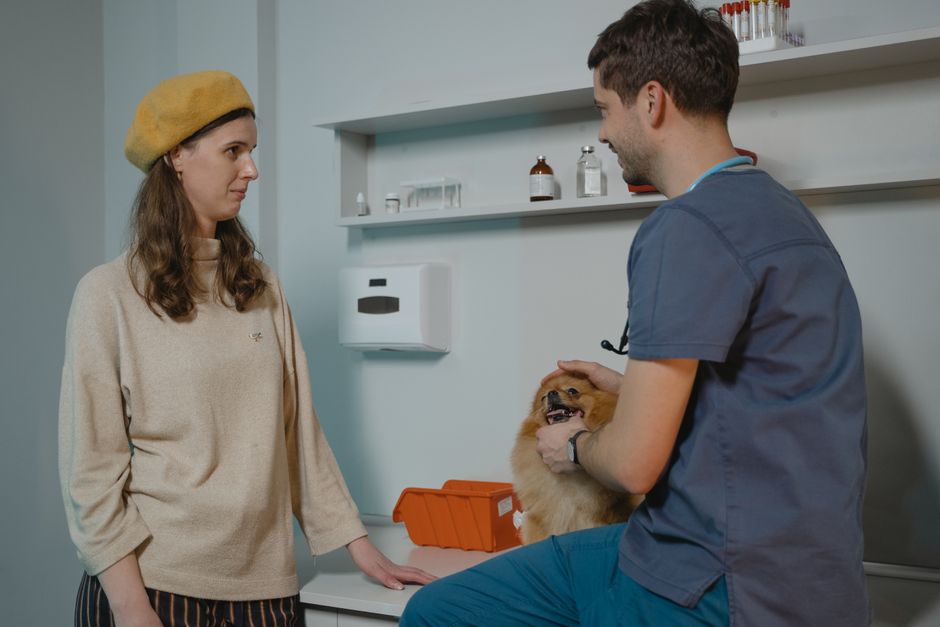
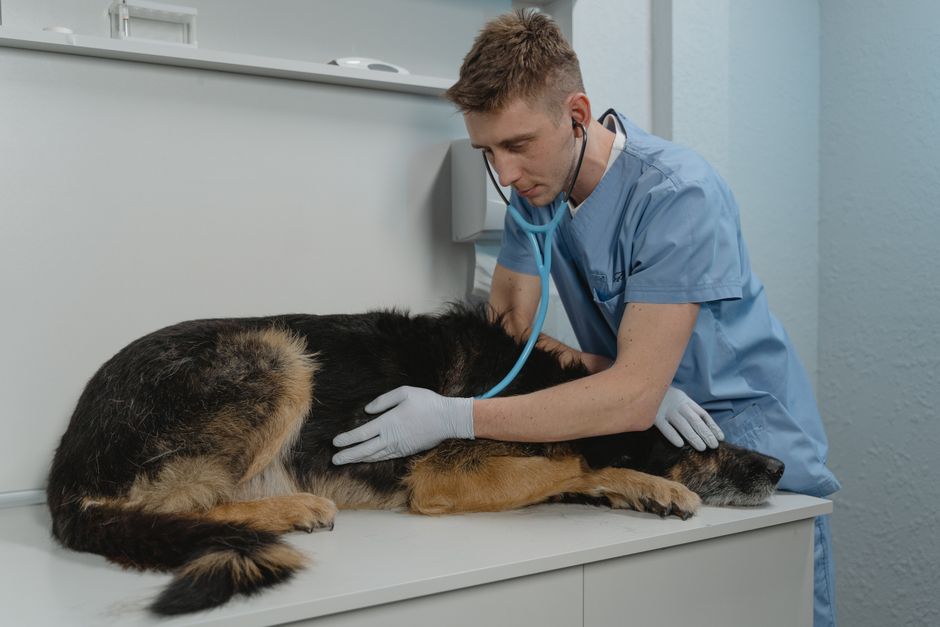
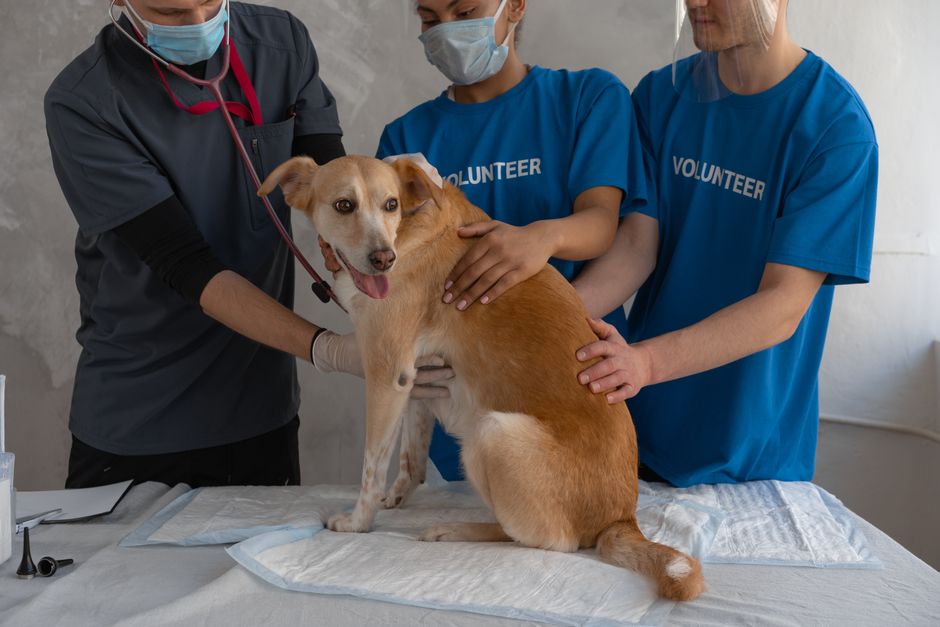
Prompt professional care is essential when a pet is poisoned. When you arrive at St. Charles Veterinary Hospital, our veterinary team will quickly assess your pet’s condition, review the suspected toxin, and begin treatment tailored to the specific exposure. Treatment options may include inducing vomiting if the toxin was ingested recently and is safe to bring up, administering activated charcoal to bind toxins in the stomach, or providing intravenous fluids to support kidney and liver function. Some cases require specific antidotes, while others may need medications to control seizures, stabilize heart function, or protect vital organs.
Your pet might need hospitalization for monitoring, especially if the toxin is slow-acting or has already caused organ damage. Supportive care such as oxygen therapy, blood work, and advanced monitoring is available for severe cases. Throughout the process, our veterinary professionals will keep you informed and work quickly to give your pet the best possible outcome. Bringing any information about the substance involved will help us act even faster. Our emergency care team is experienced in treating a wide range of poisoning cases, from accidental medication ingestion to plant and wildlife toxins.
Preventing Pet Poisoning at Home: Steps Every Pet Owner Should Take
Prevention is always better than treatment when it comes to protecting your pets from poisoning. Store all medications, cleaning products, and chemicals in secure cabinets out of your pet’s reach. Never leave food unattended, especially items known to be toxic to dogs and cats such as chocolate, grapes, raisins, or foods containing xylitol. Dispose of rodenticides, insecticides, and lawn products safely, and follow label instructions carefully to limit exposure risks. When using antifreeze or automotive products, clean up spills immediately and store containers tightly sealed.
Inside your home, identify and remove or secure toxic plants. Be especially vigilant during holidays, when new foods, plants, and decorations are present. Supervise your pet outdoors to prevent access to harmful plants or wildlife. Teaching family members and guests about pet safety is another important preventive measure. If you are ever unsure about whether something is safe for your pet, consult with a veterinarian before allowing access. Quick thinking, safe storage, and awareness of local hazards can dramatically reduce the risk of poisoning emergencies.
When to Seek Emergency Veterinary Care: Acting Fast Can Save Lives
Knowing when to seek emergency veterinary care is crucial. If your pet is showing any signs of poisoning, such as vomiting, diarrhea, tremors, seizures, collapse, or changes in behavior, do not wait for symptoms to progress. Immediate veterinary intervention can make the difference between life and death. Even if your pet appears normal but has ingested a known toxin, it is essential to seek prompt care. Certain substances, like antifreeze or rodenticides, can cause severe damage with only minor early symptoms, so waiting for your pet to seem “sick enough” can be dangerous.
For pet owners in Davenport and surrounding communities, St. Charles Veterinary Hospital is always open for emergencies. Walk-ins are welcome 24/7, and you do not need an appointment to receive care. Our emergency veterinary care services are designed to provide fast, effective treatment for poisoning and other life-threatening situations when your regular veterinarian may not be available. If you are unsure whether your pet’s situation is urgent, it is always safer to err on the side of caution and have your pet evaluated by our veterinarians.
Your Local Resource for Pet Poisoning Emergencies in Davenport, FL
Pet poisoning emergencies are frightening, but you do not have to face them alone. By recognizing the signs, understanding local risks, and knowing how to act quickly, you can protect your dog or cat from serious harm. St. Charles Veterinary Hospital is proud to be your trusted emergency care resource in Davenport, FL. Our veterinary team is always here when you need us most; walk-ins are welcome, and no appointment is ever needed for emergencies. If you are searching for an emergency vet near me, look no further than our hospital at 2360 North Blvd West, Davenport, FL 33837. Should you ever suspect your pet has been exposed to something toxic, do not wait. Call us right away at (863) 438-6600 or come directly to the hospital for immediate help. Your pet’s health and safety are our top priorities, and our compassionate team is dedicated to providing the highest standard of emergency care when every second matters. For more information about our 24/7 availability and services, visit our page on emergency veterinary care.
This article is intended for informational purposes only and does not replace professional veterinary care. If you believe your pet may have been exposed to a toxin, contact a veterinarian immediately.