Signs Your Exotic Pet Needs an Animal Hospital Near Me
Signs Your Exotic Pet Needs an Animal Hospital Near Me
Exotic pets like birds, reptiles, and small mammals bring unique joy to households in Davenport and the surrounding communities, but their health needs can be very different from those of cats and dogs. When your parrot suddenly stops singing, your bearded dragon seems sluggish, or your rabbit refuses food, it’s natural to feel anxious. Recognizing urgent warning signs is especially important in our warm Florida climate, where subtle changes can quickly become serious. At St. Charles Veterinary Hospital, located at 2360 North Blvd West, Davenport, FL 33837, we are committed to providing emergency care for exotic species, understanding that every moment counts. If you’re searching for an animal hospital near me that welcomes walk-ins and offers immediate attention, our emergency team is here to help—no appointment needed.
In this blog, you’ll learn how to spot the signs that mean your exotic pet needs urgent veterinary care, what might be causing those symptoms, and how our experienced team can provide life-saving interventions. You’ll also discover tips to prevent emergencies and know exactly when to seek immediate help.
Recognizing Emergency Signs in Exotic Pets
Exotic pets often hide signs of illness until their condition is severe, making it crucial for you to notice even subtle changes. Birds, reptiles, rabbits, guinea pigs, ferrets, and other small mammals can deteriorate quickly without prompt care. Key symptoms that signal your exotic animal needs an animal hospital near me include sudden lethargy, difficulty breathing, persistent vomiting or diarrhea, refusal to eat or drink for more than 24 hours, and visible injuries such as bleeding or broken bones.
Other urgent warning signs are swelling or masses, severe weakness or collapse, seizures, obvious pain (such as vocalizing or biting), and abnormal discharges from the mouth, nose, or vent. In birds, fluffed-up feathers, sitting at the bottom of the cage, or a change in voice can indicate distress. For reptiles, signs like gaping mouth breathing, excessive basking or hiding, and abnormal coloration are cause for concern. Small mammals may show tooth grinding, hunched posture, or labored breathing when ill. If you observe any of these symptoms, immediate veterinary attention is critical.
Why Do Exotic Pets Get Sick So Quickly?
Exotic pets differ from dogs and cats in the way they show illness, often masking symptoms until they are dangerously sick. This behavior is a survival instinct; in the wild, appearing weak makes them targets for predators. As a result, what looks like a minor problem can escalate rapidly.
Common causes of emergencies in exotic pets include heat stress—especially during the hot Davenport summer—improper humidity, nutritional imbalances, traumatic injuries, and infections. Birds are susceptible to respiratory infections from poor air quality or sudden temperature changes, while reptiles are sensitive to incorrect heating, lighting, or diet. Small mammals like rabbits can develop gastrointestinal stasis, where their digestive systems slow down or stop, often triggered by stress or inadequate fiber. In all exotic species, dehydration and overheating can lead to life-threatening complications within hours.
Household toxins, such as non-stick cookware fumes for birds or certain houseplants for reptiles and small mammals, can also cause sudden illness. Understanding these risks helps you create a safer environment, but emergencies can happen even with the best care.
How St. Charles Veterinary Hospital Treats Exotic Emergencies
When your exotic pet arrives at St. Charles Veterinary Hospital, our team of veterinarians is prepared to act quickly. Walk-ins are always welcome, and there is no need for an appointment if your animal is experiencing urgent symptoms. Our hospital is equipped with specialized diagnostic tools and medical supplies designed for birds, reptiles, and small mammals, allowing us to deliver tailored care from the moment you arrive.
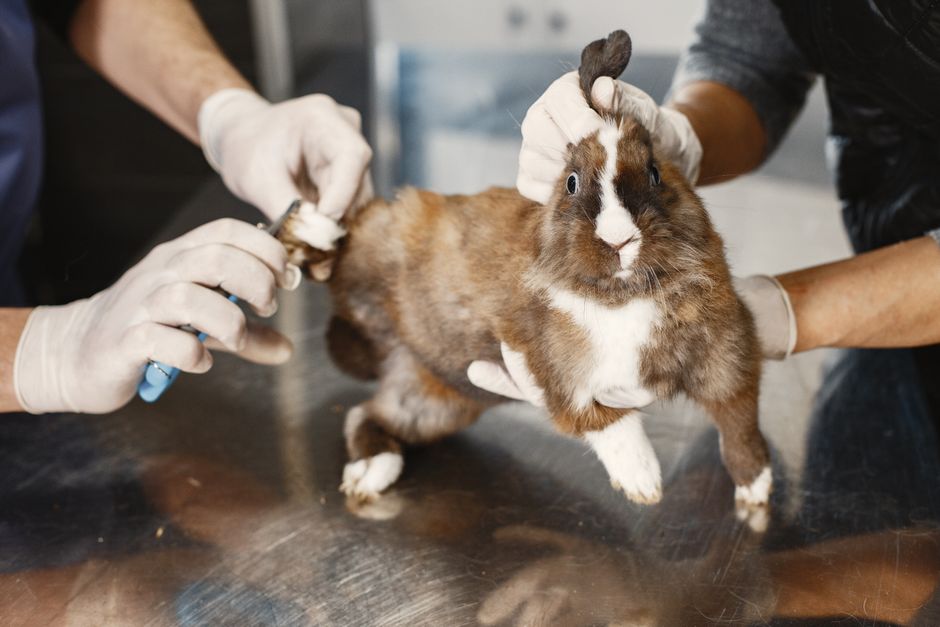
Treatment approaches involve rapid assessment—checking vital signs, hydration status, and neurological function—followed by stabilization, such as providing oxygen for birds in respiratory distress or fluid therapy for dehydrated reptiles. Our veterinary professionals may perform diagnostic imaging or laboratory tests to identify underlying causes. For injuries, surgical care is available to address fractures or wounds. When infections are suspected, our veterinarians select medications that are safe and effective for your species.
Pain management, nutritional support, and temperature regulation are essential in the recovery process for exotic pets. Because their metabolism and anatomy are so different from more common pets, our veterinary team uses species-specific protocols, ensuring the best chance for a positive outcome. You can find more details about our 24/7 emergency veterinary care and what to expect on our website.
Preventing Emergencies in Exotic Pets at Home
While some emergencies are unpredictable, many can be prevented with proactive care. Maintaining a species-appropriate diet, providing optimal temperature and humidity, and ensuring a safe, enriching habitat are key steps. For birds, ensure their cage is away from drafts, fumes, and excessive heat. Reptile owners should monitor basking spots and humidity closely, especially during summer months in Davenport, when heat stress is a real danger. For small mammals, supplying constant access to fresh hay and water, along with regular cage cleaning, can reduce the risk of digestive issues.
Regular check-ups with a veterinarian experienced in exotic species help catch subtle health changes before they become emergencies. Monitoring your animal’s behavior, weight, and droppings gives early clues to potential problems. If you’re unsure about your pet’s environment or diet, our team can provide guidance tailored to your species. When you need general care as well as urgent services, our general veterinary practice services ensure your exotic pets receive individualized attention year-round.
When to Seek Immediate Veterinary Care
It’s always better to be safe than sorry with exotic pets. If your bird, reptile, or small mammal shows any of the warning signs discussed—such as severe lethargy, breathing difficulties, sudden collapse, or refusal to eat—bring them to St. Charles Veterinary Hospital right away. Walk-ins are welcome, and our emergency team is available when your regular vet isn’t, including evenings and weekends, to handle urgent cases that can’t wait.
If you’re uncertain whether your animal’s symptoms are serious, it’s best to err on the side of caution. Waiting too long can mean the difference between a treatable condition and a critical emergency in exotic pets. Our veterinarians are always ready to assess your animal’s condition and provide the appropriate care without delay. For more information about what qualifies as an emergency and how we support your animal during a crisis, visit our emergency veterinary care information page.
St. Charles Veterinary Hospital: Your Animal Hospital Near Me for Exotic Pet Emergencies
Caring for exotic pets means being alert to subtle changes and acting quickly when something seems off. At St. Charles Veterinary Hospital, we understand the special bond you share with your bird, reptile, or small mammal, and we are committed to providing the urgent, expert care they need—no appointment required. Whether you live in Davenport or a nearby community, our veterinary team is ready to help when emergencies happen, with walk-ins always welcome.
If you’re searching for an animal hospital near me that has the experience, equipment, and compassion to handle exotic pet emergencies, look no further. Visit us at 2360 North Blvd West, Davenport, FL 33837 or call (863) 438-6600 for immediate assistance. For those seeking an emergency vet near me, our doors are open when you need us most. Your animal’s health and safety are our top priority—trust St. Charles Veterinary Hospital to be there every step of the way.
This article is intended for informational purposes only and should not replace professional veterinary advice. If you believe your exotic pet is experiencing a medical emergency, seek immediate care from a qualified veterinarian.