When to Seek Emergency Care for Your Pet in Davenport
When to Seek Emergency Care for Your Pet in Davenport
As a pet owner, nothing is more distressing than watching your dog or cat experience sudden illness or injury, especially when you’re unsure if the situation calls for an urgent trip to the vet. At St. Charles Veterinary Hospital, we understand the anxiety and uncertainty that comes with pet emergencies. Our full-service companion animal hospital, located at 2360 North Blvd West, Davenport, FL 33837, is dedicated to providing immediate, compassionate care for pets in Davenport and surrounding communities. Walk-ins are always welcome at our emergency department, and no appointment is needed if your pet’s health is at risk. In this guide, we’ll help you recognize the warning signs that mean your dog or cat needs emergency attention, explain what to expect during a visit, and offer tips on preparing for the unexpected.
Whether it’s after hours, your regular veterinarian isn’t available, or you simply need fast, expert help, our veterinary professionals are here day and night. If you ever wonder whether you should seek care, this article will give you the knowledge to make confident, timely decisions for your pet’s wellbeing.
Recognizing a Pet Emergency: Signs Your Dog or Cat Needs Immediate Attention
Emergencies can look very different from one pet to another, but there are some critical warning signs that always require urgent veterinary care. Some of the most concerning symptoms include difficulty breathing, sudden collapse, persistent vomiting or diarrhea (especially with blood), and seizures. Other red flags are pale gums, obvious wounds or bleeding that won’t stop, inability to stand, or signs of extreme pain such as whining, restlessness, or aggression when touched.
Changes in behavior are also important to notice. If your usually playful dog suddenly becomes lethargic, or your cat is hiding, refusing food and water, or seems disoriented, these could point to a serious health problem. Additionally, trauma from car accidents, falls, animal bites, or suspected poisoning always warrants a visit to the emergency vet. For more details on what constitutes a veterinary emergency, the emergency veterinary care page on our website explains urgent symptoms and what to expect during a visit.
Why Emergencies Happen: Common Causes and Risk Factors
Pet emergencies can arise from a wide range of causes, many of which come on suddenly and without warning. While some emergencies stem from accidental injuries such as being hit by a car, falling from a height, or fighting with another animal, others develop due to underlying medical conditions. Blockages in the digestive tract, such as when a dog swallows a toy or a cat eats string, can cause life-threatening complications. Heart problems, severe infections, and allergic reactions may also lead to rapid deterioration in your pet’s health.
Certain breeds or individual pets may be prone to particular emergencies. Brachycephalic dogs such as Bulldogs or Pugs are at higher risk for breathing difficulties, while older cats may be more susceptible to urinary blockages or heart failure. Hot weather in Central Florida can quickly escalate to heatstroke in active dogs or outdoor cats, especially if they do not have access to shade and water. Toxin exposure is another frequent culprit; common household hazards include chocolate, xylitol, antifreeze, lilies (for cats), and even some human medications.
What to Expect: How Emergency Veterinary Care Works
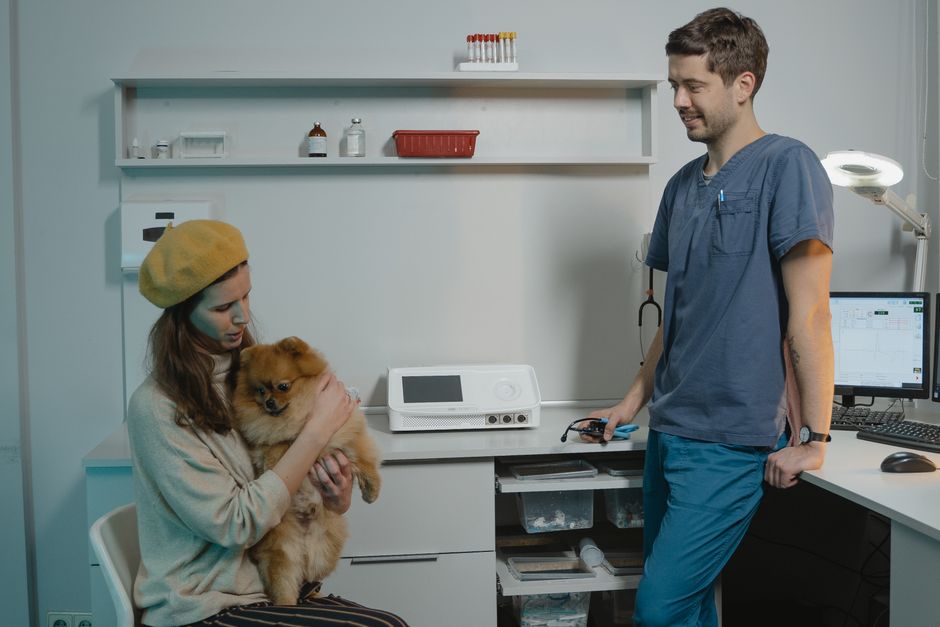
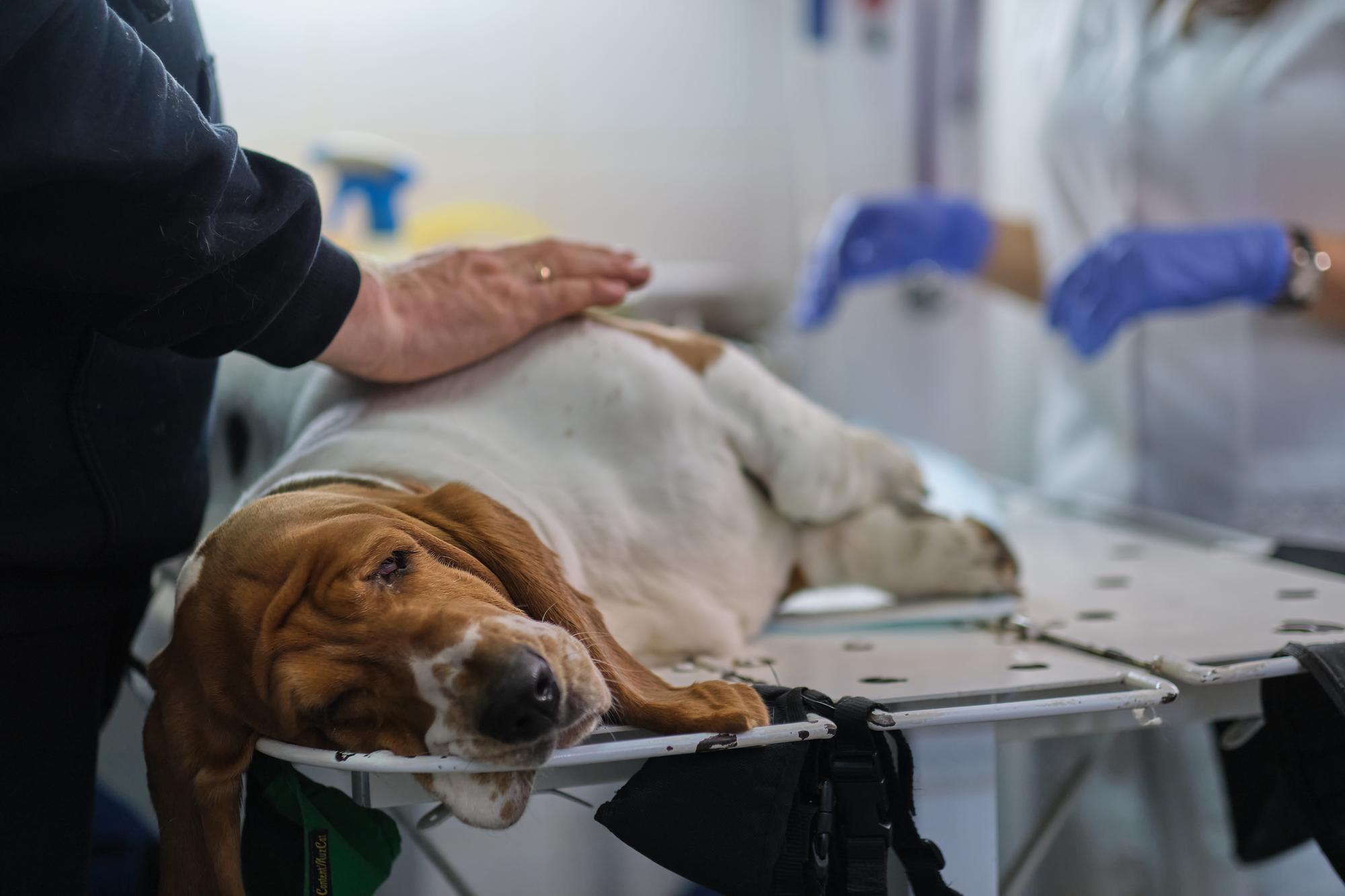
When you arrive at St. Charles Veterinary Hospital’s emergency department, our veterinary team will quickly triage your pet to assess the severity of their condition. Walk-ins are always welcome, and our facility is equipped to handle emergencies even outside normal business hours. If your pet is in critical condition, immediate stabilization will be the top priority. This might include administering oxygen, controlling bleeding, providing intravenous fluids, or managing pain.
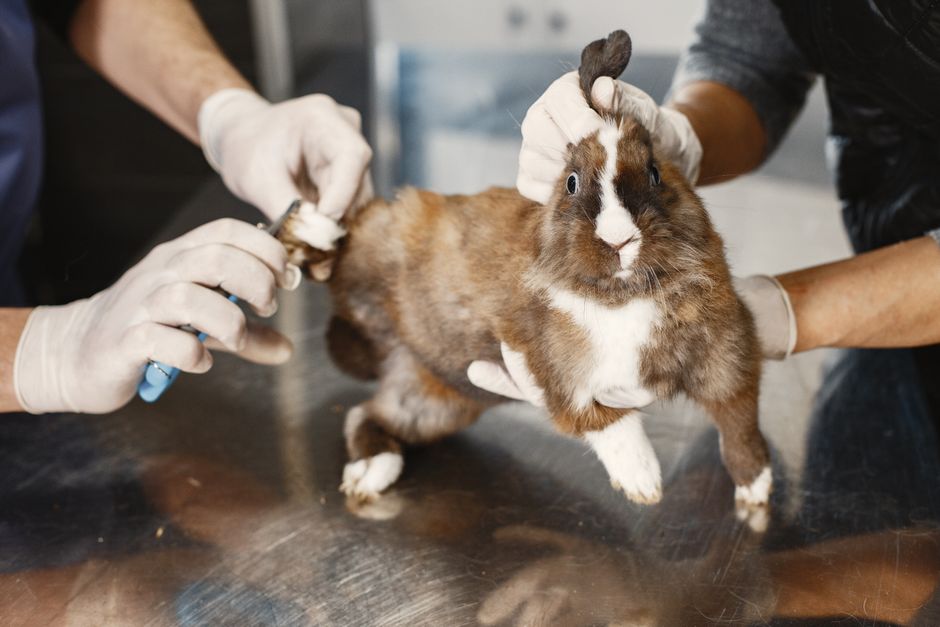
After stabilizing your dog or cat, a thorough examination and diagnostic workup will help our veterinarians determine the cause of the emergency. Diagnostic tests may involve bloodwork, X-rays, ultrasound, or other imaging studies to identify internal injuries or underlying illnesses. Once a diagnosis is made, our team will discuss treatment options with you. Treatment approaches may range from medication and wound care to surgery or hospitalization for intensive monitoring. Throughout this process, we prioritize keeping you informed and involved in your pet’s care decisions.
If you have more questions about what happens during an emergency visit, our FAQ page provides answers to common concerns about pet emergencies and what you can expect when you arrive.
Steps You Can Take at Home: Prevention and Immediate Actions
While not all emergencies can be prevented, there are practical steps you can take to reduce your pet’s risk. Keeping hazardous foods and substances out of reach, supervising your dog outdoors, and ensuring your cat remains indoors or in a safe enclosure can help minimize accidents. Regular veterinary checkups are essential for early detection of chronic health issues that might lead to emergencies. For those interested in proactive wellness, our general practice team can provide comprehensive veterinary services to support your pet’s long-term health.
If an emergency does occur, remain as calm as possible and assess your pet’s condition. For bleeding, apply gentle pressure with a clean cloth. If your pet is having difficulty breathing, clear any visible obstructions from the mouth and keep them calm and quiet during transport. Never attempt to induce vomiting without veterinary advice, as this may be harmful in some poisoning cases. For seizures, keep your pet away from objects that could cause injury and do not try to restrain them. Always transport your pet safely, using a carrier for cats or smaller dogs, and a blanket for larger or immobile pets.
When to Go to the Emergency Vet: Guidelines for Pet Owners
Deciding whether to bring your pet in for emergency care can be stressful, but when in doubt, it’s always safer to err on the side of caution. Immediate veterinary attention is needed if your pet has trouble breathing, collapses, experiences repeated or prolonged seizures, is bleeding heavily, or has been hit by a car. Other urgent situations involve ingestion of toxins, broken bones, severe allergic reactions (such as swelling of the face or sudden hives), or any signs of extreme distress.
Our emergency department at St. Charles Veterinary Hospital is available when your regular veterinarian isn’t, including evenings, weekends, and holidays. No appointment is required, and our veterinary professionals are ready to provide lifesaving care whenever you need it. If you are ever unsure whether your pet’s symptoms are an emergency, calling ahead can help our team prepare for your arrival, but walk-ins are always welcome.
Understanding the Importance of Timely Emergency Care
Delaying care in a true emergency can mean the difference between recovery and serious consequences for your pet. Many life-threatening conditions progress rapidly, so seeking prompt attention is crucial. Remember that pets often hide pain or illness until the situation becomes severe. Trust your instincts; you know your dog or cat’s normal behavior better than anyone. If something seems off or you are worried about their wellbeing, our veterinary team is here to help.
For additional peace of mind, consider learning about pet insurance options and keeping the phone number and address of your local emergency vet handy. Being prepared ensures you can respond quickly and confidently in a crisis.
Your Local Partner for Pet Emergencies in Davenport
At St. Charles Veterinary Hospital, we recognize the special bond you share with your pet and the responsibility that comes with caring for their health. Our emergency team is committed to providing fast, expert care for dogs and cats in Davenport and the surrounding areas. Walk-ins are always welcome, and we are here when your regular veterinarian isn’t available. Whether it’s late at night, on the weekend, or during a holiday, you can count on our veterinary professionals to treat your pet with compassion and skill.
If you ever find yourself searching for an "emergency vet near me," know that our doors are open for your urgent needs. For more information about our services, visit our emergency veterinary care page.
If you believe your pet is experiencing an emergency, do not wait. Bring them to our hospital at 2360 North Blvd West, Davenport, FL 33837 or call us at (863) 438-6600 for immediate guidance. At St. Charles Veterinary Hospital, your pet’s health and safety are always our top priorities.